All posts by Team Booko

How to encourage your child to read more

This month we are celebrating readers of all genres and as we had such a great response to our post last year on encouraging children to read we thought we would share it again for you.

Most people would agree that reading is a good thing, and that it is critical to language and literacy development.  But not everyone is a natural bookworm – so here are some tips on how to help your child develop a love of reading.

Tip 1: Reading should be fun

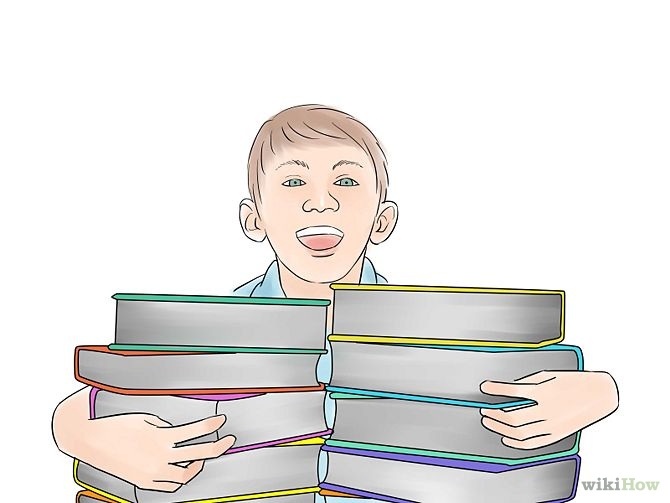
Your first goal is to convince your child that reading is a pleasurable activity that they will want to do again and again.  Focus on making reading a fun experience.

Tip 2: Target their interests

Choose books that reflect your child’s interests – whether it be trucks/ princesses/ food/ shoes.  There are books on just about every topic – the right one can get the reader hooked on reading for life.

Tip 3: Create a reading-friendly lifestyle

Create a comfortable space for reading – it can be a couch, or beanbag, or cushions, or in bed – and stock up on a variety of books or other reading materials, such as magazines or newspapers.

Incorporate reading into your weekly routine, for example by visiting your local library regularly, or by setting aside some “reading time” at bedtime or on weekends.

Tip 4: Model good reading habits

Let your child see you read.  Show that you enjoy reading, want to do it regularly, and that you feel confident about reading.  You can also explain why you love reading, such as “reading helps me make sense of things”, or “reading makes me laugh”.

If you want to improve your own confidence in reading, there are community resources to support you.  Contact your local library or adult education organisation to see how they can help.

Tip 5: Try different formats

Reading isn’t just about novels.  Some children prefer non-fiction (information books), particularly illustrated titles.  Don’t forget that newspapers, magazines, even recipes and instruction manuals, can offer good reading opportunities – whatever interests the child.

If your child prefers pictures to words, then why not try picture books or graphic novels? There are many sophisticated picture books aimed at older readers (such as The Arrival by Shaun Tan)  , and the graphic novel format has been used on a range of topics including literary classics (for example Nikki Greenberg’s adaptation of Hamlet) .  Children who like to listen to stories can try to read and listen at the same time – play an audiobook and encourage them to follow the story on a printed copy.

Tip 6: Make it a family activity

Some children may find reading more appealing if it is done as a family activity.  It could be reading aloud to each other; or reading silently side by side; or listening to an audiobook together during a car trip.  It can even be watching a film adaptation together (and discussing how it differs from the original book).  Be creative, and choose something that all of you can enjoy.

Tip 7: Talk to the experts

Teachers, school librarians, local librarians and children’s booksellers all have professional knowledge and experience in engaging reluctant readers.  Talk to them and ask for useful strategies and/or book recommendations.   Beloved author Paul Jennings, who is also a teacher and speech pathologist, has written a guide called “The Reading Bug and how to help your child catch it”.

Final tip: Relax
670px-Teach-Your-Child-to-Read-Step-3-Version-2

Remember Tip 1: Reading should be fun?  Encouraging children to read should not be stressful for parents either.
Don’t worry if they don’t read everyday – this is understandable, especially at the beginning.  Be gentle but persistent with your encouragement.
Don’t worry if they don’t choose “good” literature, or if they only read about a single topic or character; sooner or later they will branch out.
Don’t worry if they choose something that is too hard or too easy; gently offer a more appropriate alternative, but also respect their choice.
Finally, try not to feel disappointed if your child shows no interest in reading your own childhood favourites.  Encourage them to read widely, and one day they may give your favourite books another chance!
Celebrating Autobiographies & Biographies

Most people who read books tend to have a particular genre of book that they prefer. Some read science fiction, others poetry, mysteries, self help or personal growth. While some readers focus exclusively in their area of career focus.

In our household, it is biographies and autobiographies specifically that are king. Reading a great biography (or autobiography) can be as exciting as your favourite thriller, provide more valuable and useful lessons than most self-help best sellers and offer more professional development wisdom than you can apply.

Delving into the lives and learnings of others offers a number of benefits and insights. There’s our top five reasons for choosing this genre.

  • They let you see the world in new ways.

Rather than being completely focused on your professional discipline, looking at the way you and your colleagues always look at things, reading about someone from a different era, a different background or a totally different set of life experiences will give you new perspective.

  • They allow you to stand on the ‘shoulders of giants’.

Sir Isaac Newton wrote “If I have seen further, it is by standing on the shoulders of giants.” and that is exactly what reading biographies can do for you. They can allow you to see further because of what these people have achieved.

  • They offer you a mentor.

If you have read about the life of Abraham Lincoln, Gandhi, Churchill or anyone else you select, you have had a glimpse into their mind and now have the advantage or “knowing” them. These people can become your mentors at a distance, if you allow yourself the chance to think about what advice they might give you, or what they might do in a the situation or choice you are facing.

  • They promote self discovery.

A good self help or professional development book will outline specific steps, tools, techniques and approaches to try. These can be valuable and successful shortcuts to help you make improvements and get results in most any area of your life. A biography, on the other hand, won’t be as direct. You will discover ideas and approaches on your own through the stories and experiences of others. This discovery learning process is often far more satisfying, and most always more lasting, than reading a list of steps.

  • They remind you that history often repeats itself.

Reading about the real experiences of others gives context for the decisions and consequences that we all will face. History (recent or distant) often repeats itself because those who are making history were, and are, human beings.

Here’s a few of our favourites to entice you to share this wonderful genre.

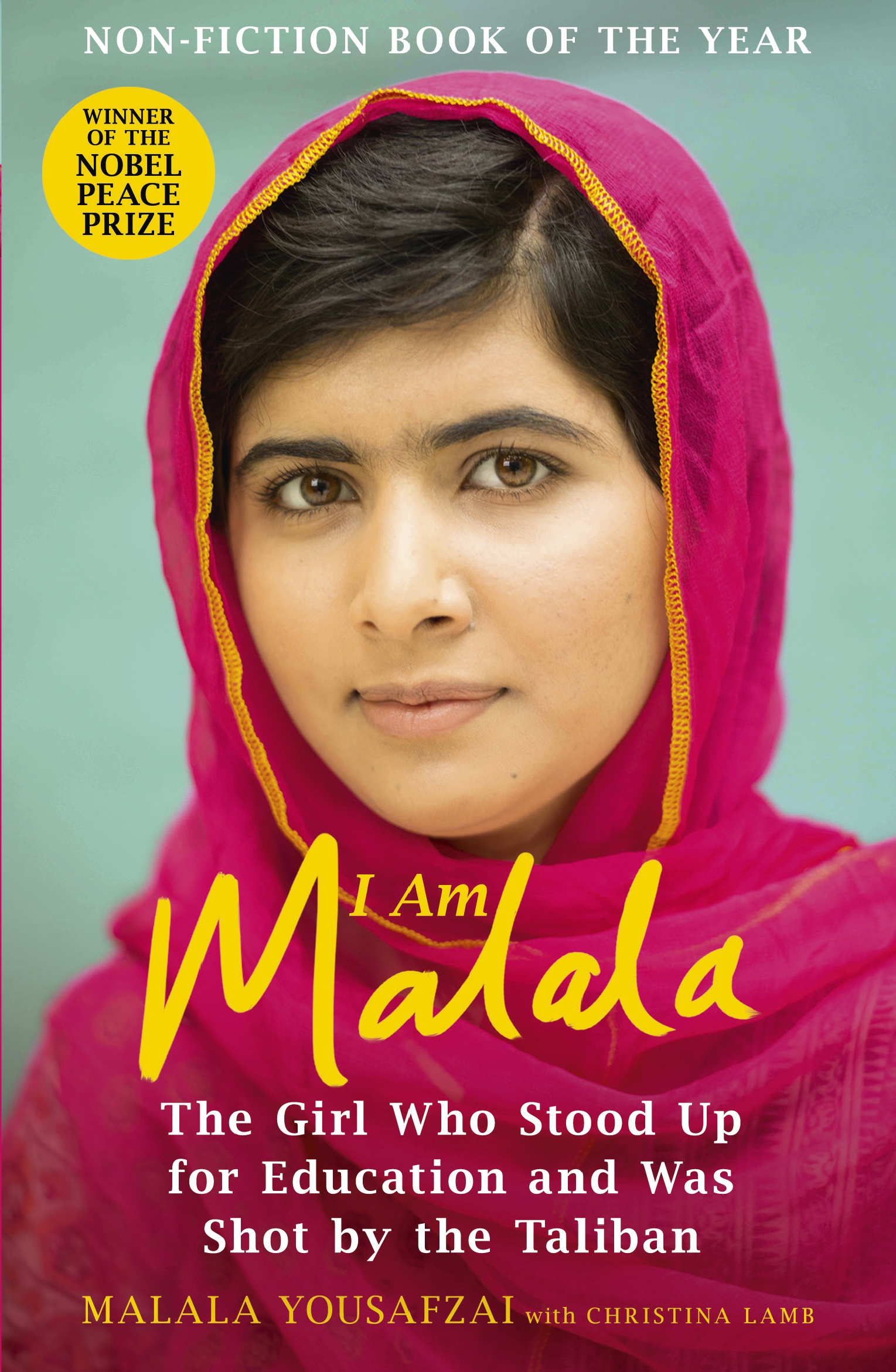
I am Malala by Malala Yousafzai

In 2009 Malala Yousafzai began writing a blog on BBC Urdu about life in the Swat Valley as the Taliban gained control, at times banning girls from attending school. When her identity was discovered, Malala began to appear in both Pakistani and international media, advocating the freedom to pursue education for all. In October 2012, gunmen boarded Malala’s school bus and shot her in the face, a bullet passing through her head and into her shoulder. Remarkably, Malala survived the shooting.At a very young age, Malala Yousafzai has become a worldwide symbol of courage and hope. Her shooting has sparked a wave of solidarity across Pakistan, not to mention globally, for the right to education, freedom from terror and female emancipation.


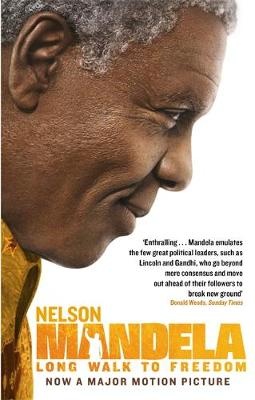
Long Walk to Freedom by Nelson Mandela

Long Walk To Freedom recreates the drama of the experiences that helped shape Nelson Mandela’s destiny. From his imprisonment on Robben Island, to his remarkable journey to freedom and inauguration as President, this work describes his frustrations and strength of heart.


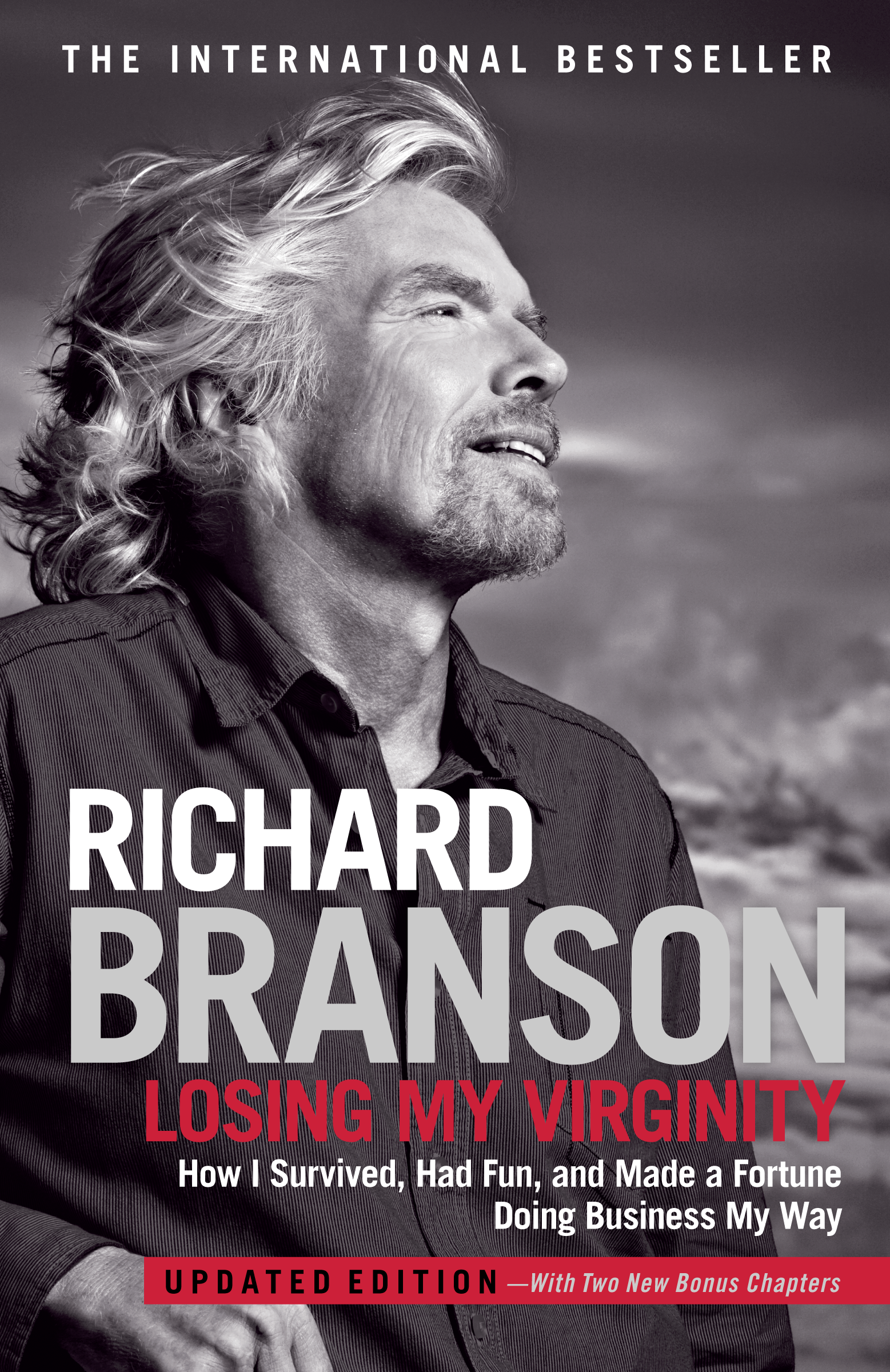
Losing my Virginity by Sir Richard Branson

“Oh, screw it, let’s do it.” That’s the philosophy that has allowed Richard Branson, in slightly more than twenty-five years, to spawn so many successful ventures. From the airline business (Virgin Atlantic Airways), to music (Virgin Records and V2), to cola (Virgin Cola), to retail (Virgin Megastores), and nearly a hundred others, ranging from financial services to bridal wear, Branson has a track record second to none. Losing My Virginity is the unusual, frequently outrageous autobiography of one of the great business geniuses of our time. When Richard Branson started his first business, he and his friends decided that “since we’re complete virgins at business, let’s call it just that: Virgin.” Since then, Branson has written his own “rules” for success, creating a group of companies with a global presence, but no central headquarters, no management hierarchy, and minimal bureaucracy.


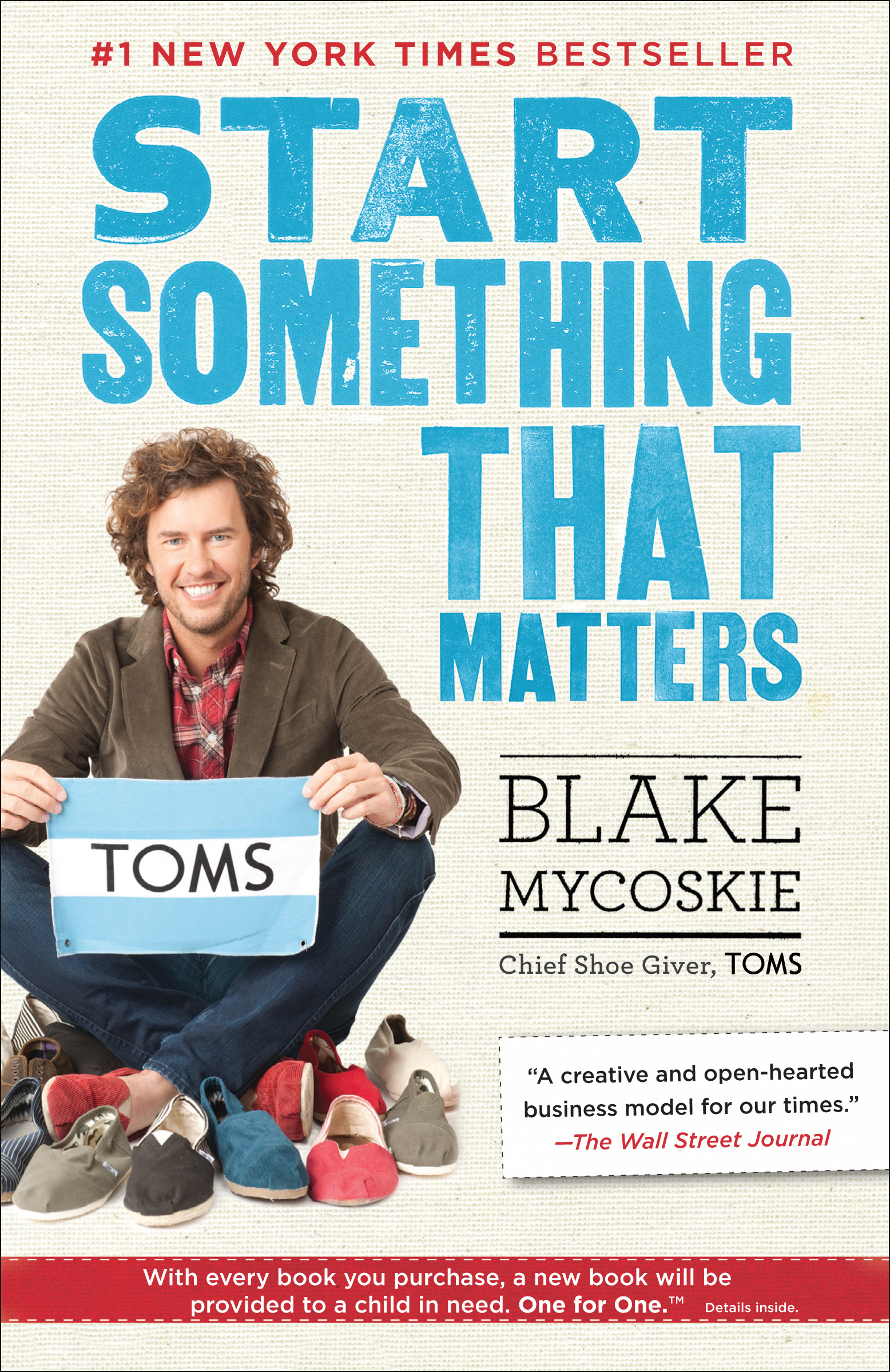
Start Something That Matters by Blake Mycoskie

Blake Mycoskie is the founder of TOMS Shoes and a contestant on The Amazing Race. Mycoskie uses his experience with TOMS, as well as interviews with leaders of non-profits and corporations, to convey valuable lessons about entrepreneurship, transparency of leadership, and living by one’s values. This book displays the transformation from a businessperson to an advocate, in an account that outlines his philosophy about working in ways that both fulfils material desires and have philanthropic and social benefits.


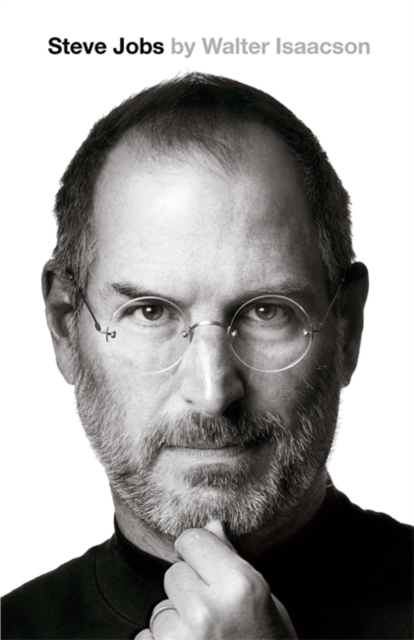
Steve Jobs: The Exclusive Biography by Walter Isaacson

From bestselling author Walter Isaacson comes the landmark biography of Apple co-founder Steve Jobs. In Steve Jobs: The Exclusive Biography, Isaacson provides an extraordinary account of Jobs’ professional and personal life. Drawn from three years of exclusive and unprecedented interviews Isaacson has conducted with Jobs as well as extensive interviews with Jobs’ family members, key colleagues from Apple and its competitors. Steve Jobs: The Exclusive Biography is the definitive portrait of the greatest innovator of his generation.


Enjoy.

Your Ultimate Preparation Guide for Enjoying the Oscars

It’s Oscars season again and a whopping five of this year’s nominees started out as best-selling novels. To be fair, the adapted screenplay category often serves as a reflection of some of the best movies of the year with historical tomes or novels serving as the creative starting points for award-winning filmmakers.

This year is certainly no different. While you could prepare for the Oscars by reading The Martian, Room, Carol (The Price of Salt), Brooklyn and The Revenant you could also take a slightly different trip down the red carpet…perhaps delve into the world of a movie critic, peek a glimpse at the history of film or even attempt to understand the mind of the director.

Here are our suggestions for the ultimate Oscars preparation.

Awake in the Dark: The Best of Roger Ebert by Roger Ebert

Roger Ebert has been writing film reviews for the Chicago Sun-Times for nearly forty years. During those four decades, his wide knowledge, keen judgment, prodigious energy, and sharp sense of humor have made him America’s most celebrated film critic. This book covers many of his reviews, essays and interviews. While it is a celebration of film, it is also a celebration of how we have talked and written about film across the past four decades.

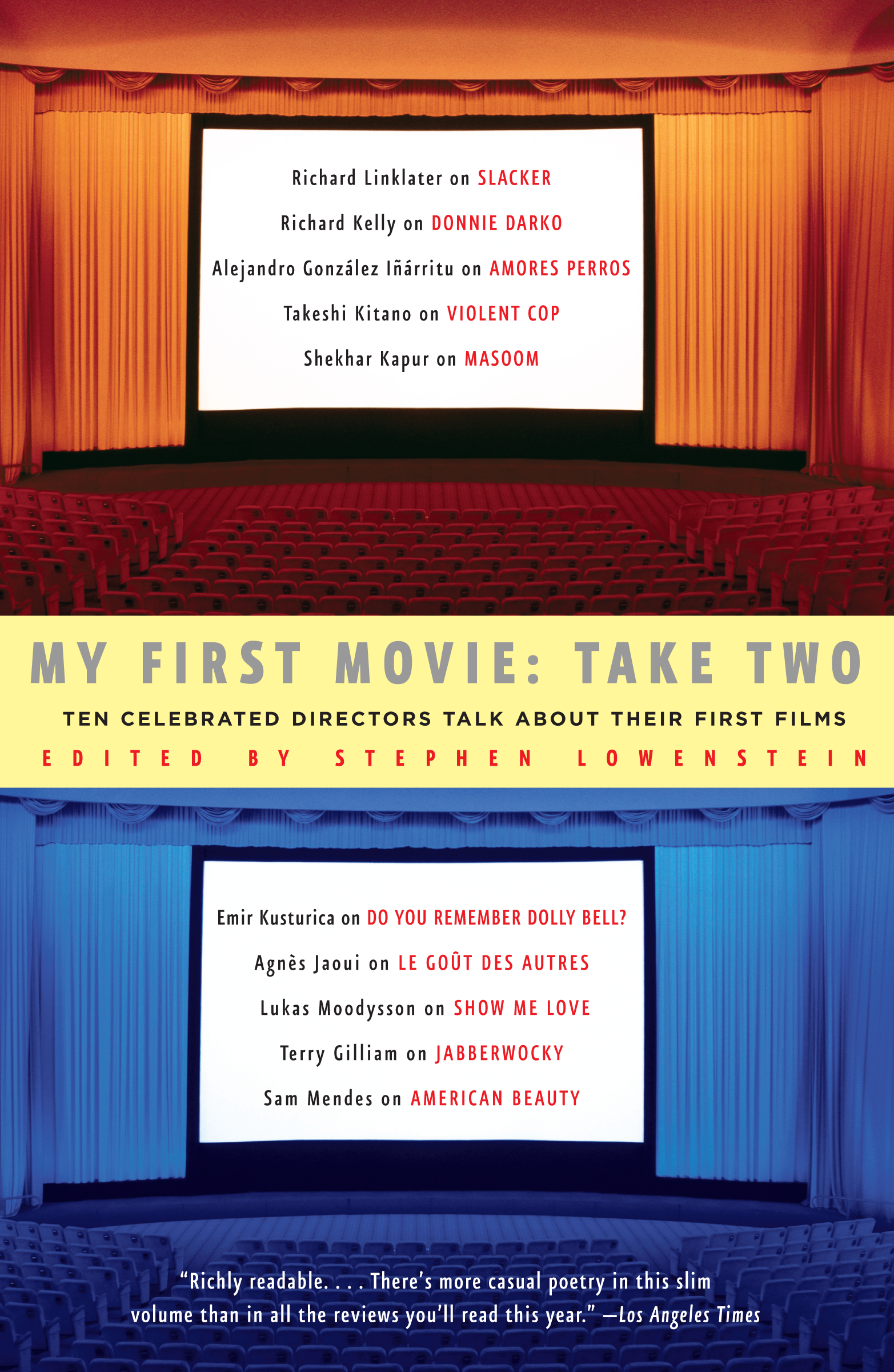
My First Movie, Take Two by Stephen Lowenstein

In these strikingly candid interviews, ten internationally acclaimed directors: Richard Linklater, Richard Kelly, Alejandro González Iñárritu, Takeshi Kitano, Shekhar Kapur, Émir Kusturica, Agnès Jaoui, Lukas Moodysson, Terry Gilliam, and Sam Mendes talk about the struggles and rewards of making their first film.

Each chapter is devoted to a particular director and his or her debut (Slacker, Donnie Darko, Amores Perros, Jabberwocky, and American Beauty among them) and reveals telling details about the inside story of the film-making process: from writing the script to raising the money, from casting actors to gathering the crew, from shooting to editing, and, finally, screening the film.

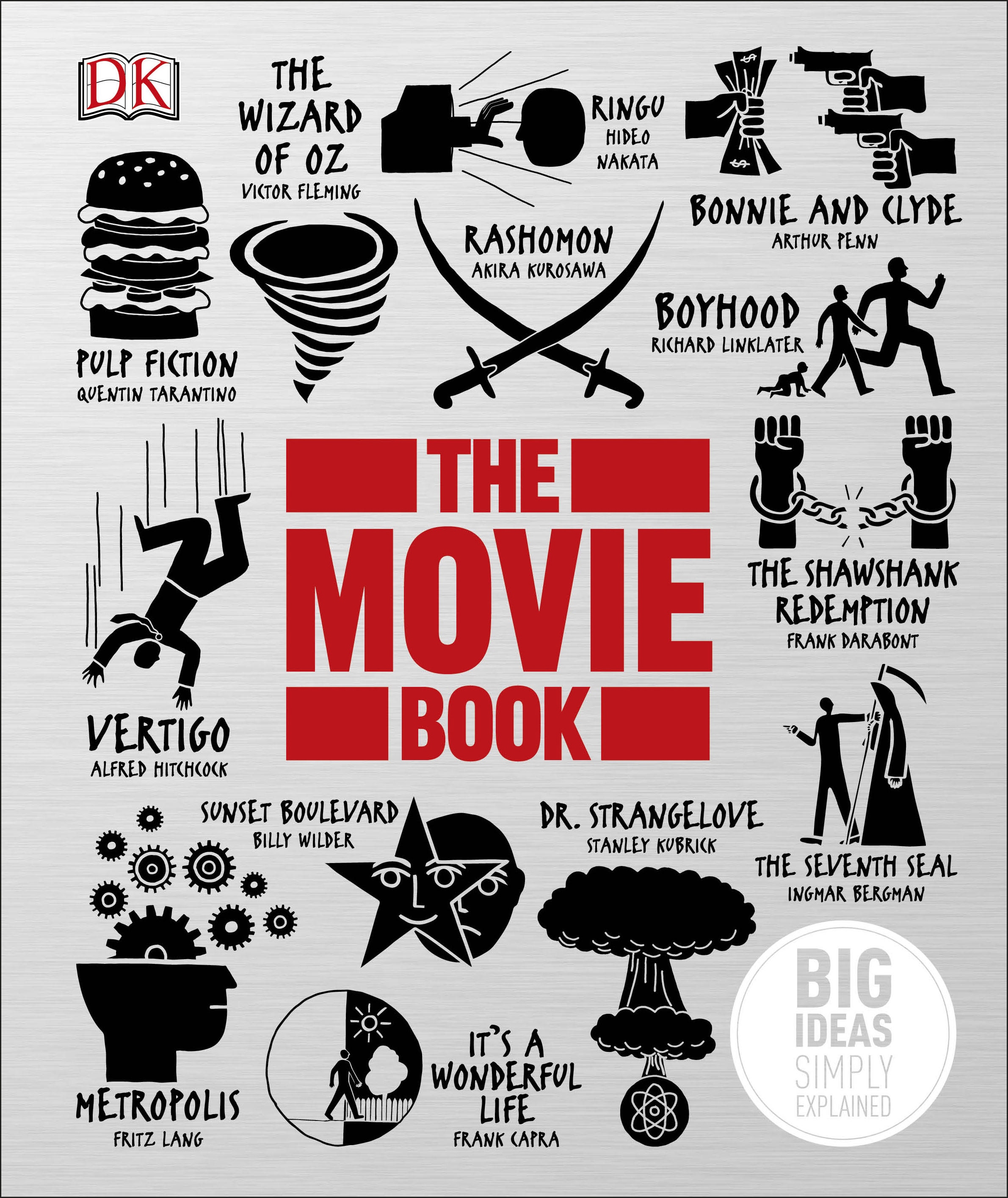
The Movie Book by Dorling Kindersley

This is another take on the history of film that showcases the impact of individual titles. Beautifully designed and packed with detailed information while staying a fun and straightforward read. A great place to look for movie classics to add to your ‘must-watch’ list.

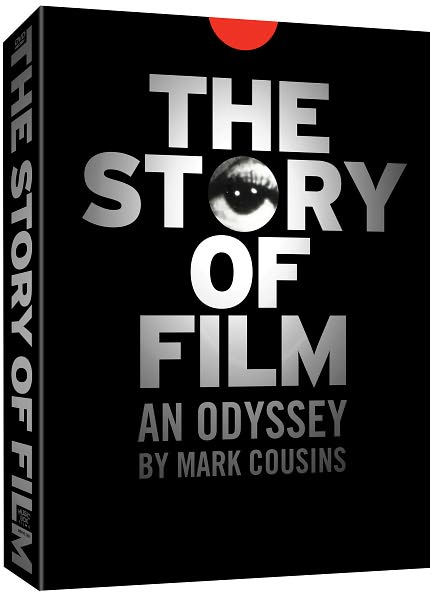
The Story of Film: An Odyssey, by Mark Cousins

This is an unprecedented cinematic event, an epic journey through the history of world cinema that is a treat for movie lovers around the globe. Guided by film historian Mark Cousins, this bold 15-part love letter to the movies begins with the invention of motion pictures at the end of the 19th century and concludes with the multi-billion dollar globalised digital industry of the 21st.


Enjoy your reading and viewing.

Celebrating the story of Chinese New Year

Understanding all cultures and their values has become essential to our next generation. For two joyous weeks red is all around as we see the colourful celebration of the Chinese New Year. The colour represents luck and happiness. Children receive money wrapped in red paper, while friends and loved ones exchange poems written on red paper. The Chinese New Year is also an opportunity to remember ancestors, and to wish peace and happiness to friends and family. The holiday ends with the Festival of Lanterns, as many large communities stage the famous Dragon Dance. Fireworks, parades, lanterns, presents, and feasts: these are some of the joys experienced by all who observe Chinese New Year.


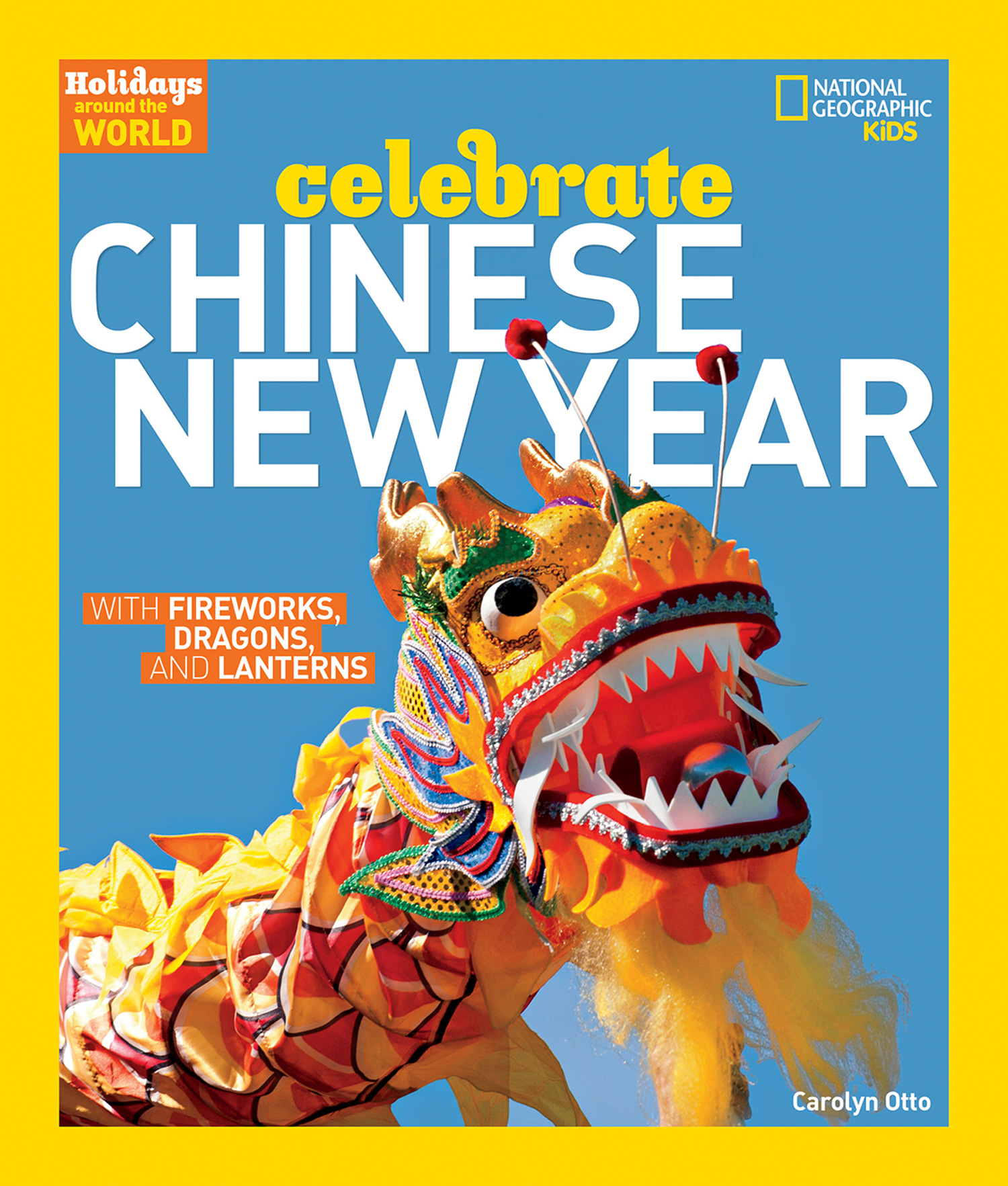
Holidays Around the World: Celebrate Chinese New Year: With Fireworks, Dragons, and Lanterns
by Carolyn Otto.

Celebrate Chinese New Year is the latest, timely addition to National Geographic’s popular Holidays Around the World series. With 25 colourful images and a simple, educational text, the book is a lively invitation to revel in this child-friendly, national and international holiday. Carolyn Otto brings the historical and cultural aspects of the Chinese New Year into focus, and young readers experience the full flavour of an event celebrated by over a billion people in China, and countless others worldwide.


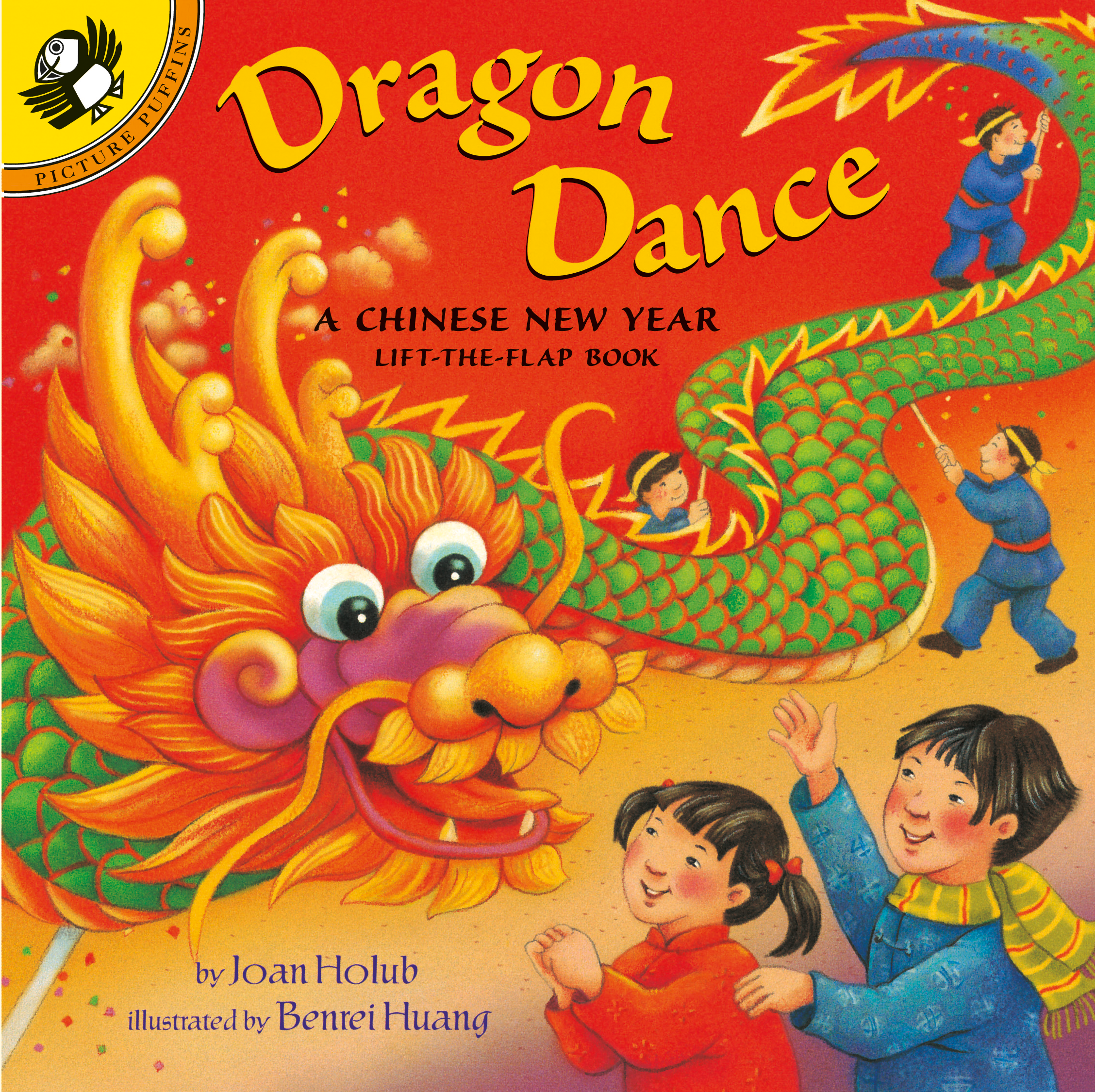
Dragon Dance: a Chinese New Year byJoan Holub 

Introduce the customs of Chinese New Year to even the youngest readers with this festive new lift-the-flap book. Shopping at the outdoor market for fresh flowers, eating New Year’s dinner with the whole family, receiving red envelopes from Grandma and Grandpa, and best of all-watching the spectacular Chinese New Year’s parade! A pure delight.


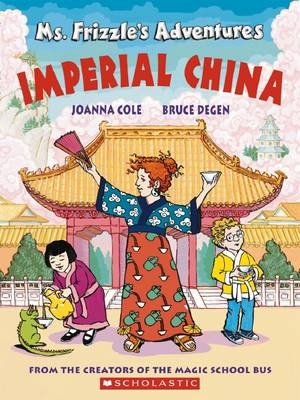
Ms. Frizzle’s Adventures: Imperial China by Joanna Cole
Young readers fare taken on a journey rom present day Chinese New Year celebrations to the rice fields and palaces of Imperial China. In this instalment Ms.Frizzle explores China, explains the concept of taxes and covers many of the inventions that came from the country.


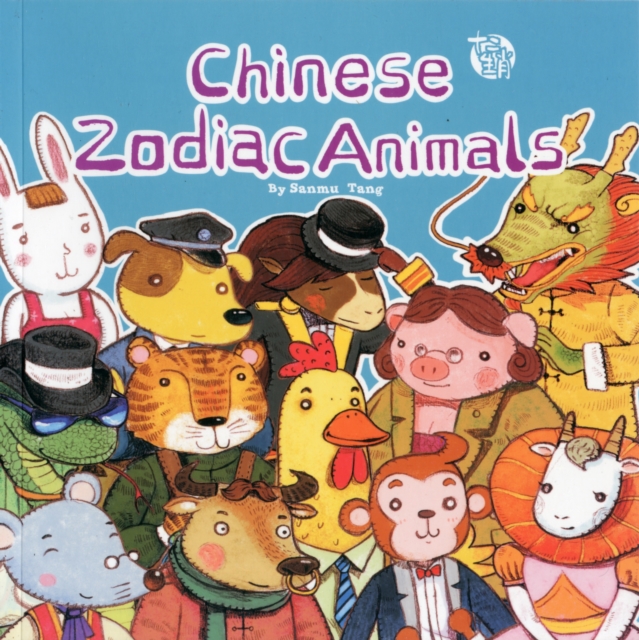
Chinese Zodiac Animals by Sanmu Tang

Children will love to learn all about their Chinese zodiac animal with this great multicultural book.

Which Chinese zodiac animal are you? A clever rat? A brave tiger? A hardworking ox? Or an energetic dragon?

Chinese Zodiac Animals explains the traits of each animal sign and what luck the future might hold for the person born under that sign. Chinese Zodiac Animals is a fun and informative way to learn about an important part of Chinese traditional culture.


Celebrating Chinese New Year: An Activity Book by Hingman Chan
Celebrating Chinese New Year is a fun-filled craft, activity and resource book for the Chinese New Year. In addition to basic facts and history of the Chinese New Year, you can make a dragon parade, a paper lantern, and red lucky envelopes following simple directions and examples in this activity book. You will also have fun learning about your Chinese Zodiac signs. This book is an excellent resource for parents and teachers with children ages 5 to 10. A must for celebrating Chinese New Year.


Gong xi fa cai! (Or Kung hei fat choy! if you’re speaking Cantonese.) Welcome to the year of the fire monkey.

Eating from your garden

We made a conscious effort last summer to grow our own veggies but, like many gardeners, by the end of the summer we found ourselves drowning in lettuce early on, then had tomatoes and kale coming out our ears for the remainder of the summer, yet spent the following winter popping to the markets and food stores to buy produce, frozen veggies, and canned goods.

Planning a garden to feed your family can seem overwhelming, so we reviewed a few books to help you out. With careful planning, you can use your garden energy to reduce your grocery bill and eat more fresh delicious vegetables.

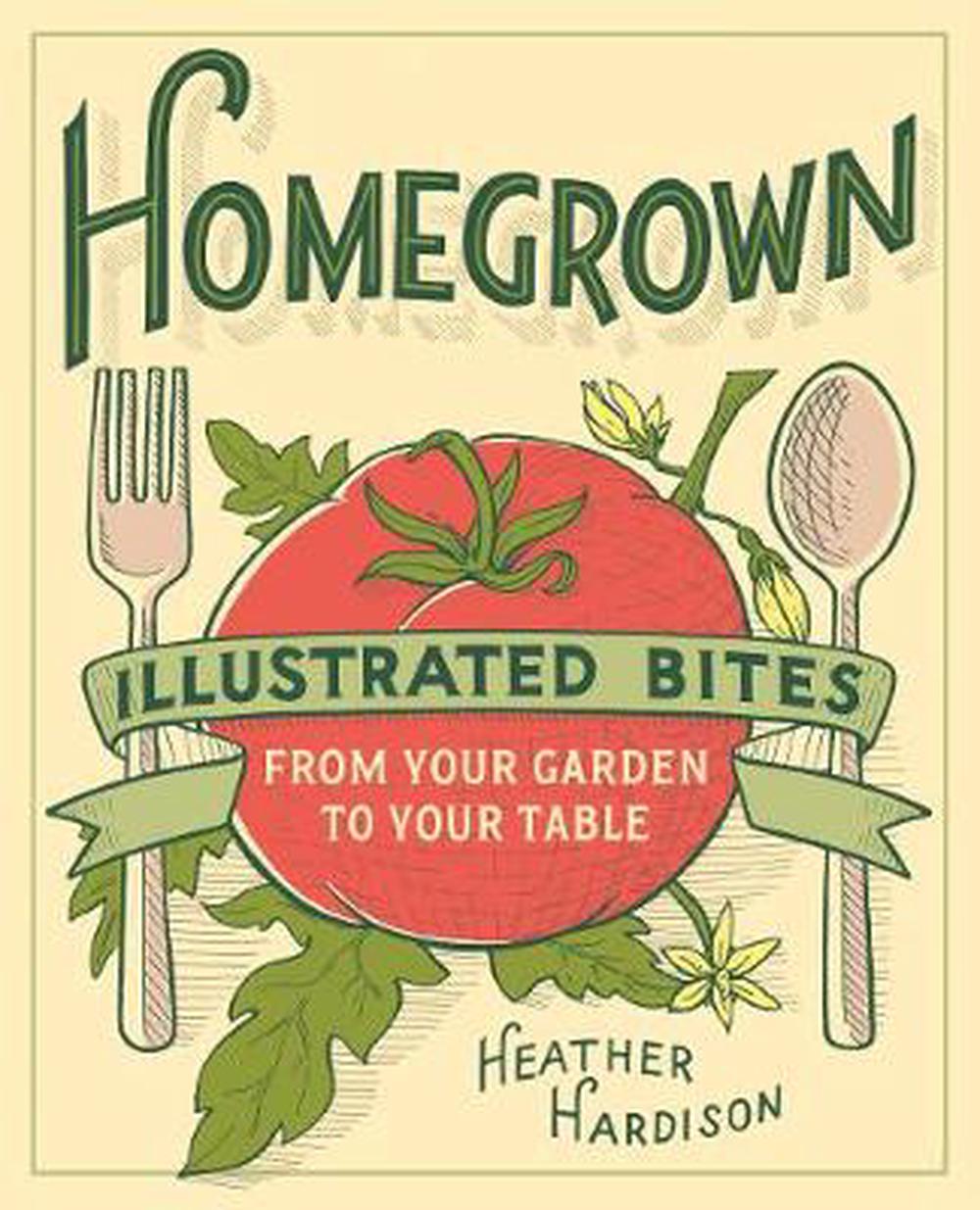
Homegrown: Illustrated Bites from Your Garden to Your Table by Heather Hardison

Homegrown is the ultimate guide to growing your own food and eating it, too! With clear and uncomplicated illustrations, author Heather Hardison guides readers through the process of planting, growing, harvesting, and preparing more than 25 of the tastiest, easy-to-grow vegetables and small fruits—such as spinach, kale, artichokes, and pears—and cooking them into seasonal, clean, and delicious offerings—including Fava Bean Crostini, Tomato and Watermelon Gazpacho, and Parsnip Hummus.


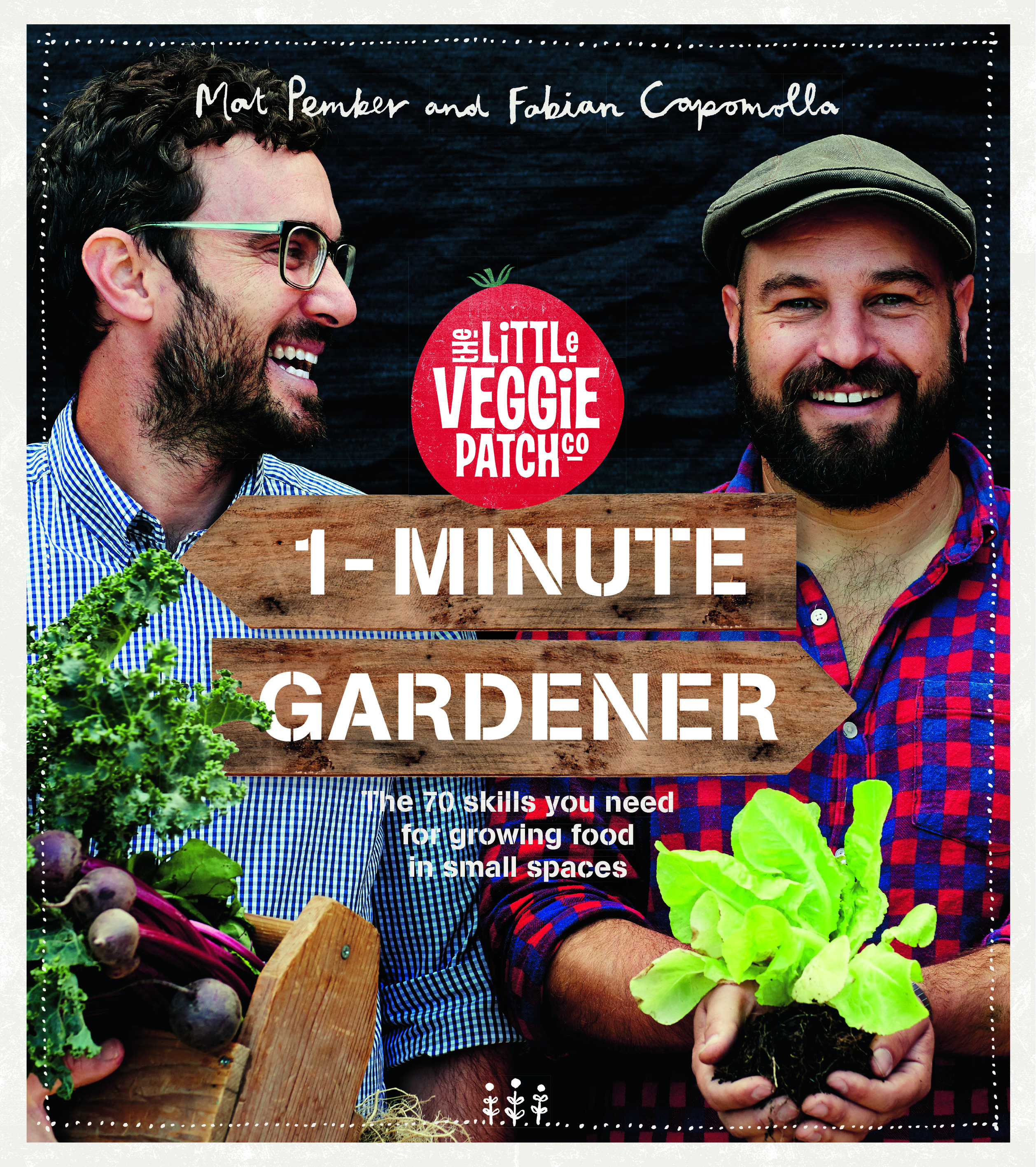
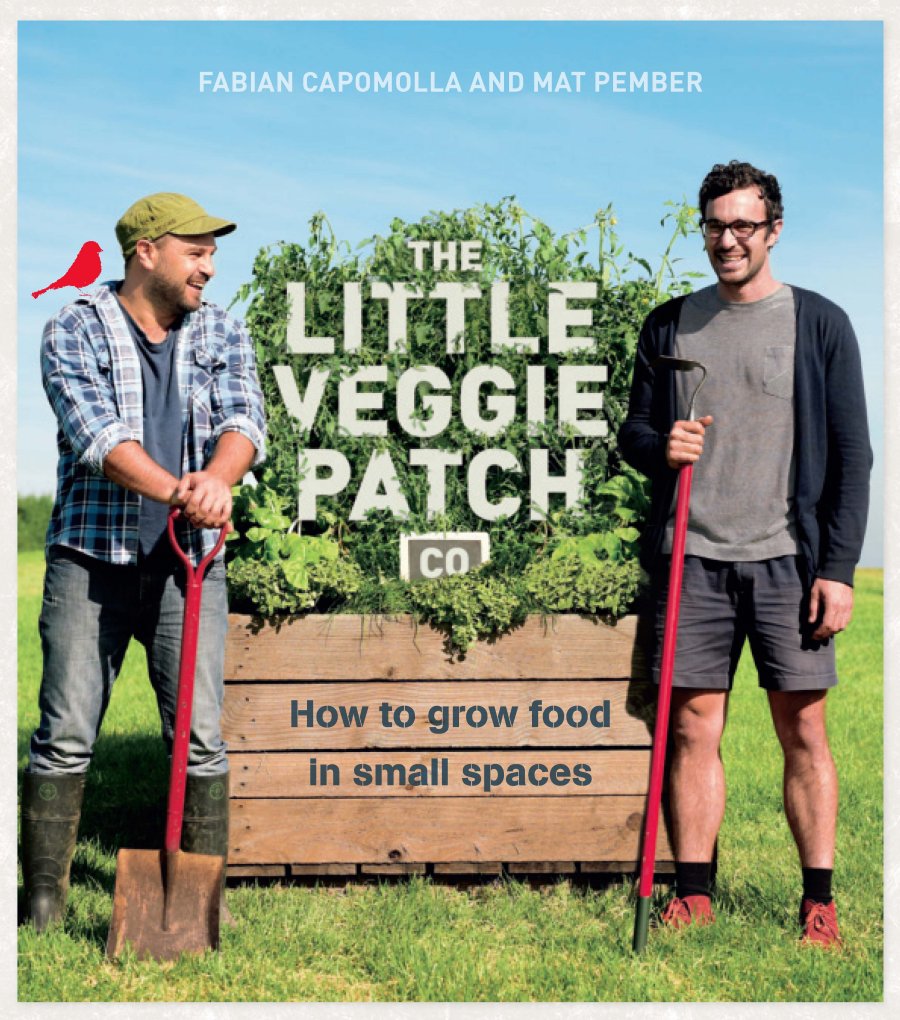
Little Veggie Patch Co: How to grow food in small spaces by Fabian Capomolla and Mat Pember

Growing up in an Italian family, for Fabian Capomollo, Sunday lunch would always consist of loud arguments, pasta and veggies from the garden. Starting off in advertising before taking the leap to fulfil his dream of helping people grow food, Fabian now has his own completely edible backyard in Melbourne, with his wife and kids. All Mat Pember’s childhood memories revolve around his Nonna and Nonno’s backyard near Fremantle, WA. The veggie garden, the enormous garage, where the pork and fennel sausage would hang drying from the ceiling beams, and checking the chook shed for eggs. Mat worked in landscaping before moving exclusively into edible gardening.

Fab and Mat install edible gardens: in boxes on balconies, in crates you can put anywhere in your backyard, or by creating no-dig garden beds. After years of helping clients grow fruit and vegetables they believe anyone can create their own little edible garden, in most any area in Australia. In this easy-to-use guide they show you how simple it is!

1- Minute Gardner by Fabian Capomolla and Mat Pember

As the brains behind The Little Veggie Patch Co., Fab and Mat have taken the mystery out of – and put the fun back into – growing fruit and vegetables. 1-Minute Gardener features 70 fast, illustrated step-by-step guides to edible gardening essentials, from preparing and caring for your patch through to harvesting the rewards (and getting the kids involved along the way).


Don’t forget, plant what you enjoy eating. We know this seems like a no-brainer, but when you’re selecting seed packets and see the delicious and specialised  variety of veggies, it’s very easy to get carried away!

So you want to be a Tennis Champion?

With the tennis season in full swing, it is the time when the idea of picking up a racquet to join in the fun sounds appealing…maybe it isn’t too late to be a champion after all…maybe.

I am a huge tennis fan, not just of the sport but mainly due to the people who are playing. They are amazing athletes and the work that goes into making a sport look ‘easy’ takes a lifetime of training, agony, delayed gratification and perseverance. Their life stories are both inspiring and amazing.


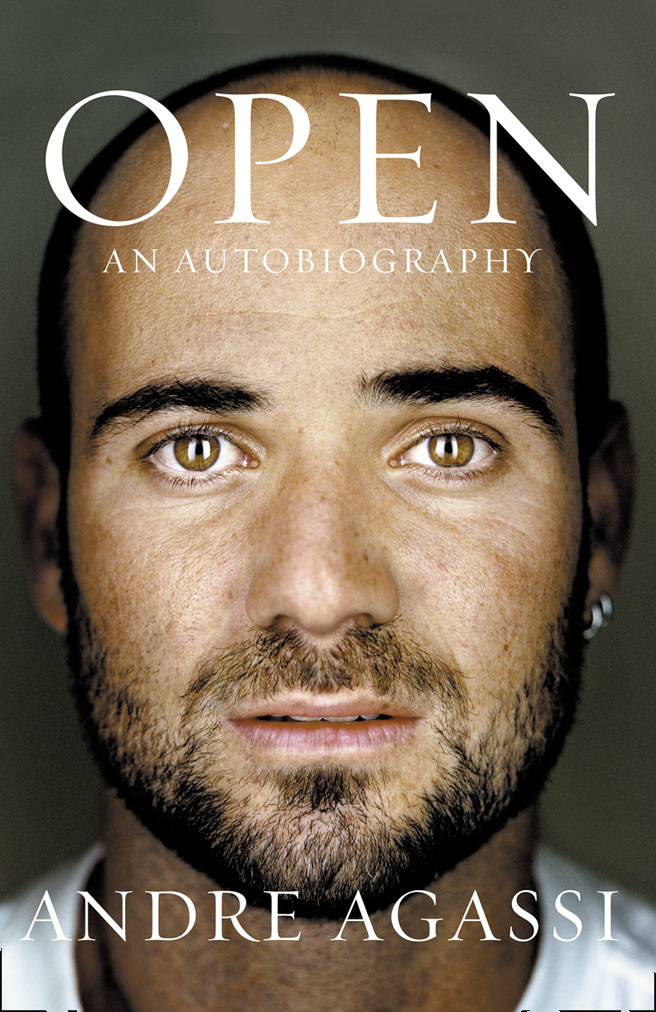
Open by Andre Agassi

I read this last year and it is firmly in my top ten books of all time. This autobiography was both engaging and haunting as Agassi tells the story of his life framed by conflicts, balanced precariously between self-destruction and perfectionism. From early childhood Agassi hated the game of tennis, he resented the constant pressure even as he drove himself to become a prodigy of the game.


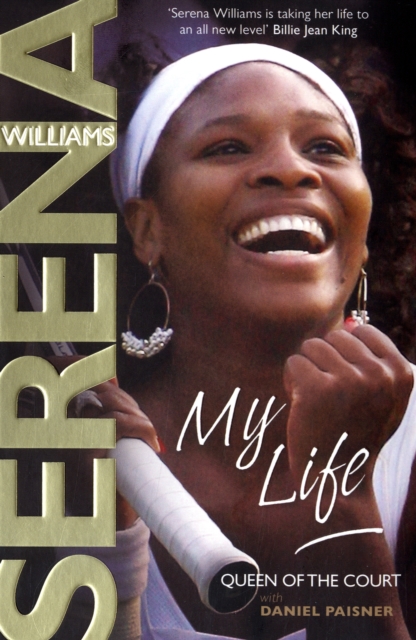
My Life by Serena Williams

From growing up in the tough neighborhood of Compton, California, to being trained by her father on courts littered with broken glass and drug paraphernalia, to becoming the top women’s player in the world, Serena has proven to be an inspiration to her legions of fans. Her accomplishments have not been won without struggle. She has been derailed by injury, criticized for her unorthodox approach to tennis, and was devastated by the tragic shooting of her older sister. Yet somehow Serena always manages to prevail, both on and off the court. In this compelling and poignant memoir, Serena takes an empowering look at her extraordinary life and what is still to come.


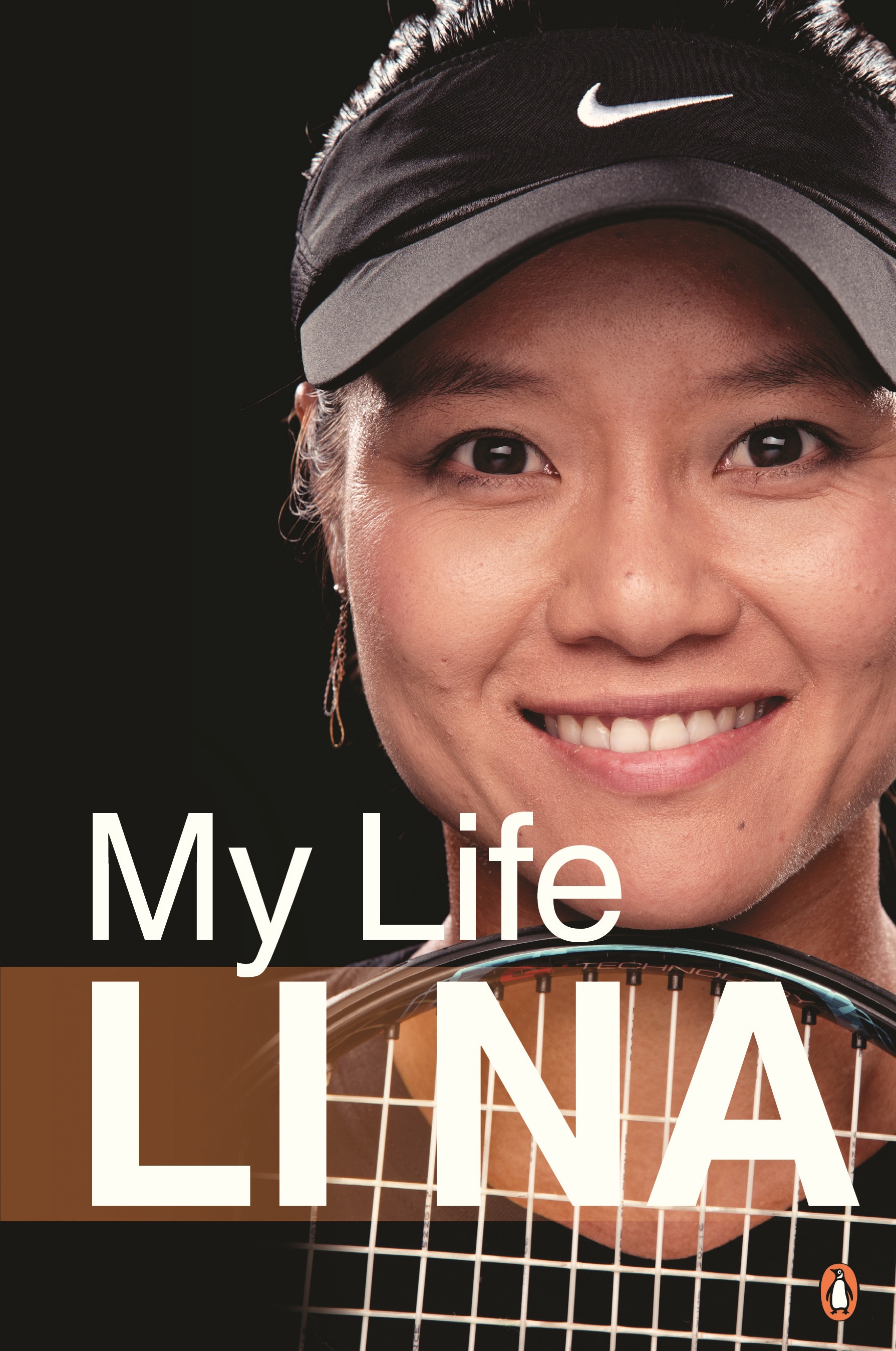
My Life by Li Na

I watched Li Na play against Serena Williams in Wimbledon and the match was amazing. The first tennis player from an Asian country to win a Grand Slam singles title shares her life story, including growing up within a rigid national sports system, living away from home, and the years she struggled to believe in herself.


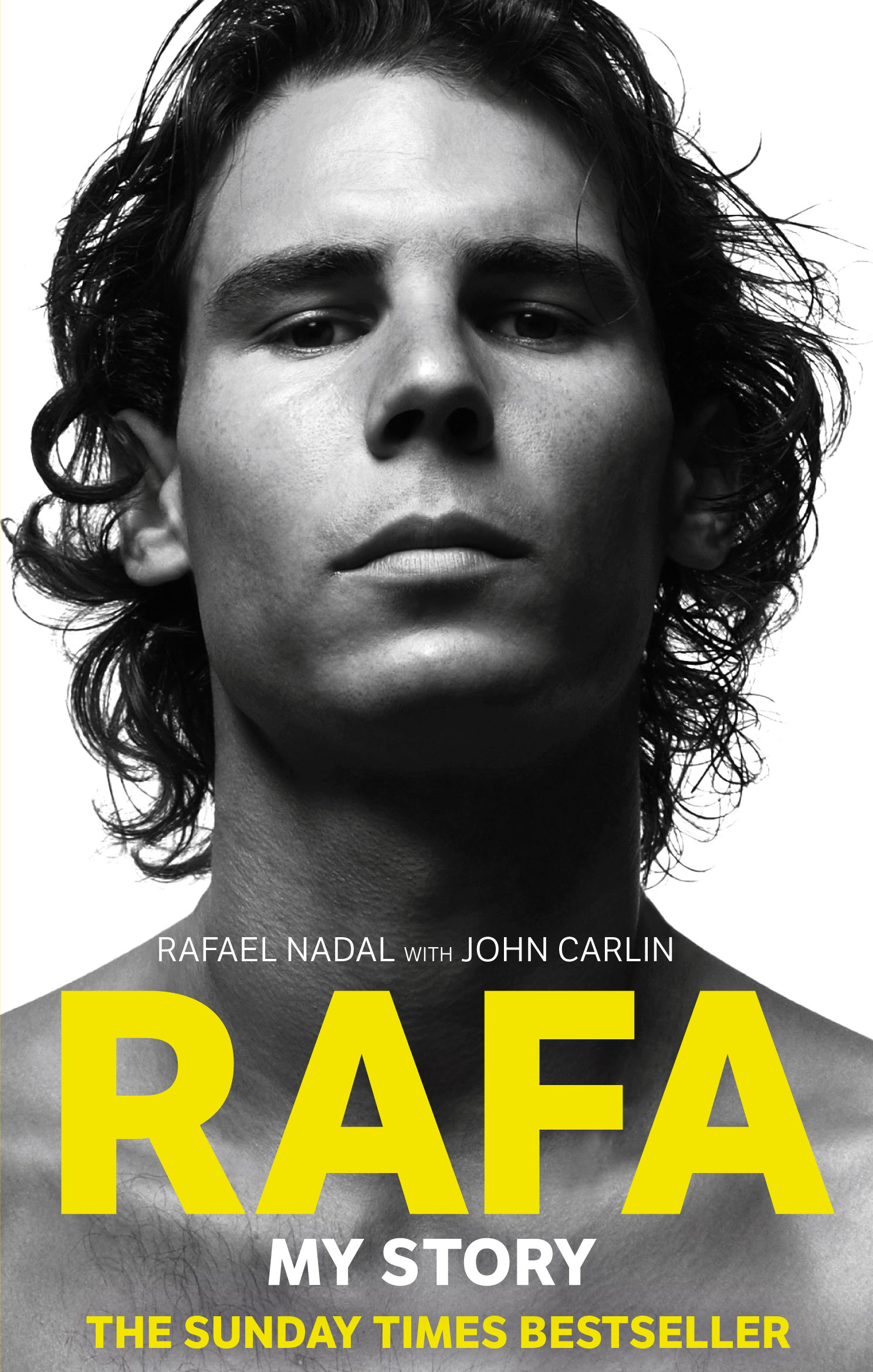
Rafa: My Story by Rafael Nadal

No tennis player since Andre Agassi has captivated the world like Rafael Nadal. He’s a rarity in today’s sporting arena – a true sportsman who chooses to let his raw talent, dedication and humility define him. This autobiography, includes memorable highlights such as winning the Wimbledon 2008 final in what John McEnroe called, “the greatest game of tennis ever played” and completing a career Grand Slam after winning the French Open, Wimbledon, and the US Open in 2010. This book gives Nadal’s millions of fans what they’ve been waiting for – a glimpse behind the racquet to learn what really makes Nadal – an intensely private person who until now has never talked about his personal and family life – tick.


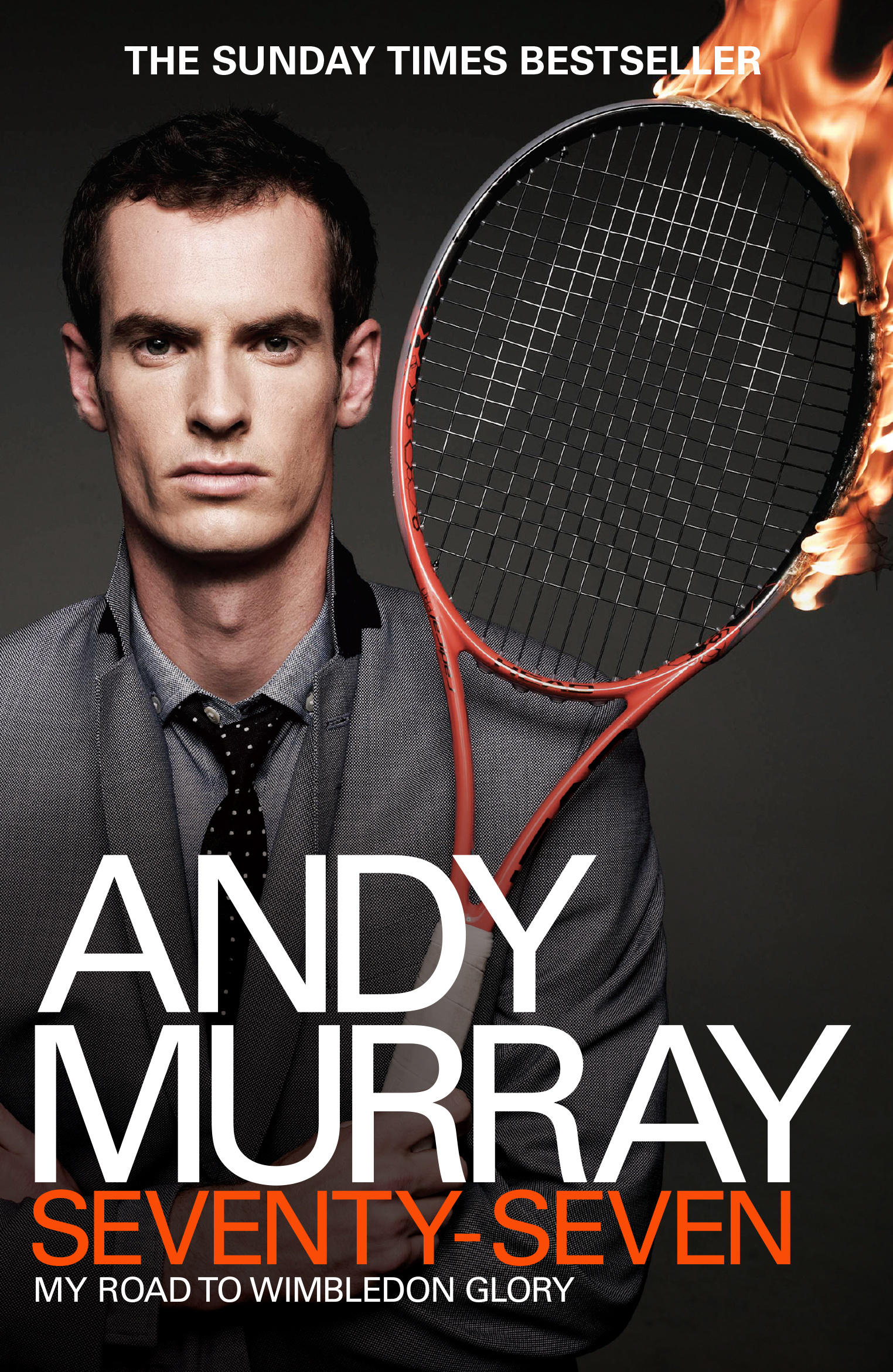
Andy Murray: Seventy Seven My Road To Wimbledon Glory by Andy Murray

Andy Murray is one of Britain’s best loved athletes. On the 7th July 2013 he became the first British man to lift the Wimbledon trophy for 77 years. Andy Murray: Seventy-Seven, takes readers on a personal journey through his career. Focusing on the last two dramatic years, he shares his thoughts on the pivotal moments of his playing career and allow us a glimpse into his world – his intense training regime, his close-knit team and his mental and physical battle to get to the very top. This beautiful and very personal book is a stunning celebration of Andy’s career so far.


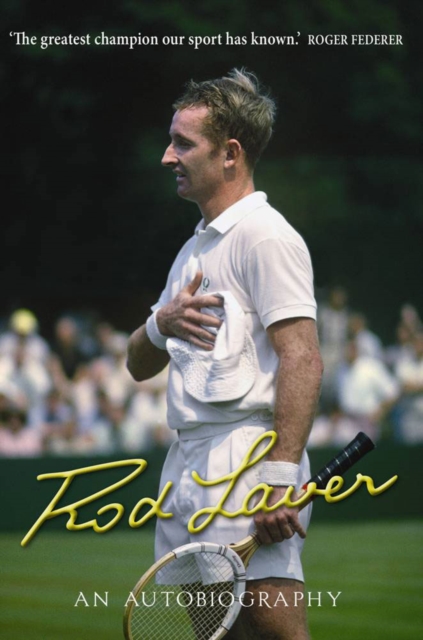
Rod Laver: An Autobiography by Rod Laver

Rod Laver’s memoir is the inspiring story of how a diminutive, left-handed, red-headed country boy from Rockhampton became one of Australia’s greatest every sporting champions. Rod was a dominant force in world tennis for almost two decades, playing and defeating some of the greatest players of the twentieth century. In 1962, Rod became the second man to win the Grand Slam – that is, winning the Australian, French, Wimbledon and US titles in a single calendar year. In 1969 he won it again, becoming the only player ever to win the Grand Slam twice.

Filled with anecdotes about the great players and great matches, set against the backdrop of a tennis world changing from rigid amateurism to the professional game we recognise today, Rod’s book is a warm, insightful and fascinating account of a great sportsman and a great Australian.

Planning your 2016? We have sourced the best diaries for you.

Wow, it’s 2016 already, I always seem to lose track of the days between Christmas and New Year and can never seem to remember which day of the week it is.

My favourite part of early January is choosing my diary for the year ahead. I start each year attempting to use only my mobile (I am a minimalist at heart and try to reduce the number of things I carry) but alas I just can’t seem to commit to only a device. There’s something about seeing my whole week ahead of me and the joy of ticking off the tasks and appointments, or scribbling in notes in the margins.

Being organised can not only help to increase productivity and reduce stress but it also allows you to be in command of your schedule. Investing in the right diary takes a little time. Firstly,  I assess the purpose: is it for personal, professional, studies, family, community, business use or a combination of everything? Then I look at the size, the layout and lastly design. These are the steps I take when selecting a diary, planner, calendar or organiser:

PURPOSE

Some people like to keep separate planners, one in the handbag, a calendar on the fridge to keep track of the family activities and a table top planner at the office, or just use an app on your phone. Whether your choose one or several the rest of the steps are simple.

SIZE

How do you want to use your diary? That will help determine the size. Light and portable so you can easily carry in your bag, or if you have a lot of planning needs, meetings or need to take loads of notes, a larger format such as A4 may be more suited.

LAYOUT

Depending on how much you need to write and record on a daily basis, or how many appointments you might have, may mean the difference from a day per page layout to a monthly planner. A Day to Page will offer loads of space for appointments, but if you plan to carry this around with you everywhere, it might get a tad bulky as the year goes on. If you want a daily format but a lighter option, try a DayPlanner where you can put in a few months at a time.

And lastly DESIGN 

This is often what it boils down to for me, I am unashamedly design driven. You’ll always spot me with a sleek black diary with uber cool typography.

Here’s my pick of some available at booko.com.au

Collective 2016 Diary Believe in Yourself

DREAM BIG, DREAM OFTEN The year to live your wildest hopes and dreams. With quotes to motivate you and little reminders to inspire your day, this 2016 diary is the place for everything you! Scribble, draw, write, dream, create, for the world is yours.


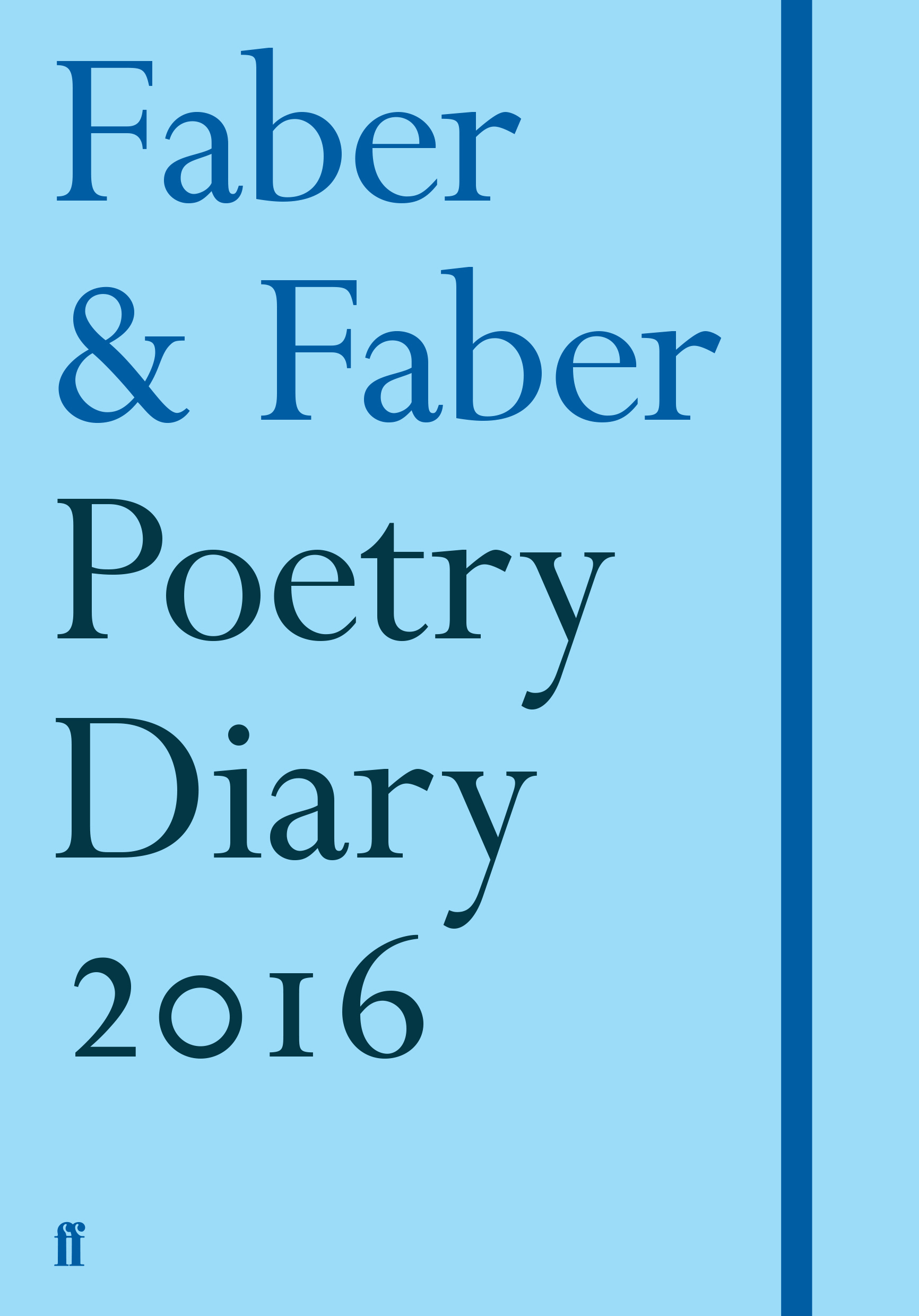
Faber & Faber Poetry Diary 2016

The Faber Poetry Diary for 2016 is a week-to-view diary offering poetry lovers a different poem or illustration to enjoy for each week of the year.


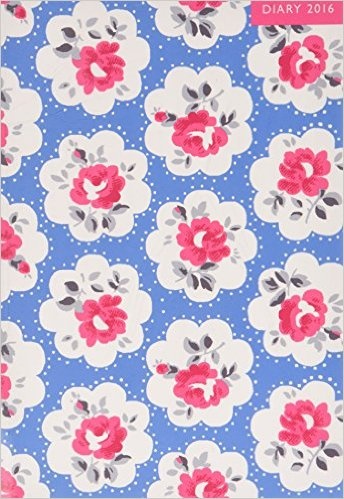
Cath Kidson 2016 

Her work is always sunny and a delight to look at. This lovely A5 Diary in a Cath Kidston Provence Rose print features a protective plastic cover, note pages, and a handy address book.


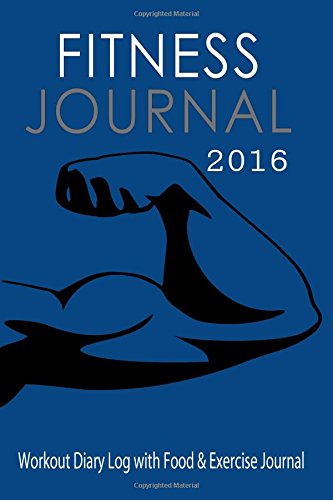
Fitness Journal 2016

This Fitness Journal is great for keeping a log of your exercise routine and food intake. Pop it in your training bag and track what you are doing down at the gym. This aids fitness and weight gain/loss by helping you to create a visual image of your body, fitness and eating habits and make the necessary changes as you see fit. Measuring 6″ x 9,” it is nicely designed. With room to track a whole 12 months worth of activity. What gets measured gets done and as you see improvements, you will continue to track your goals and your results will multiply. Kick-start your fitness goals in 2016 and beyond with this nifty little workout journal
log, it will be one of the best decisions you can make. 

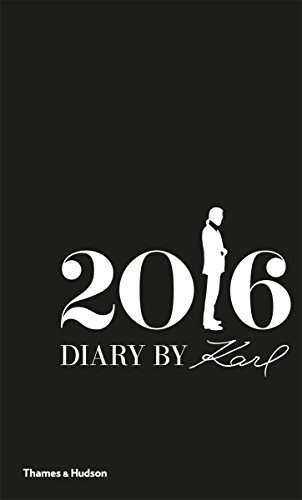
2016 Diary by Karl

This must-have weekly planner is a cult object for fashion aficionados everywhere. An accessory in its own right with striking line illustrations ranging from Chanel handbags to Karl’s signature sunglasses and fingerless gloves the sleek and elegant format will add style to your bag or desk. Karl has a statement for every occasion, and his witty and quintessentially fashionable opinions whether inspiring, amusing, self-deprecating or thought-provoking are always on point. As fabulous as it is functional, the planner contains ample space for personal information, daily entries and notes, as well as providing a yearly overview. Adding a hint of glamour to the daily grind, it also features international fashion week schedules!

2016 Nava Design 

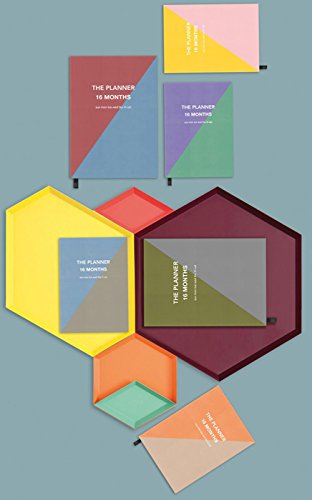
An exquisitely designed range of planners and diaries in a variety of colors, useful for managing your busy schedule, and perfectly sized to use on the go. With its split-color cover design and sturdy binding, this planner covers 16 months – September 2015 to December 2016, with a week per page spread. Compact and unique, it’s not
only useful but incredibly stylish too. Text in Italian, English, French, German, Spanish, Portuguese, and Japanese.


The Books of 2015 that changed us

Part of sifting back through the last year is looking at the books you read, the music you loved and the movies that made their mark over the previous 12 months.  They all had a part to play in shaping your year.

Looking back, you can identify the different years of your life by what you were reading at the time.  Here are some standouts:

1996 – Bridget Jones’s Diary by Helen Fielding

2000 – Harry Potter and the Goblet of Fire by J.K. Rowling

2006 – It was a bumper year of Eat, Pray, Love by Elizabeth Gilbert and The Boy in the Striped Pyjamas by John Boyne

2011 – Fifty Shades of Grey by E.L. James

2014 – The Martian by Andy Weir

In the spirit of reflection, here is a snapshot of what the Booko team loved reading this year and why.

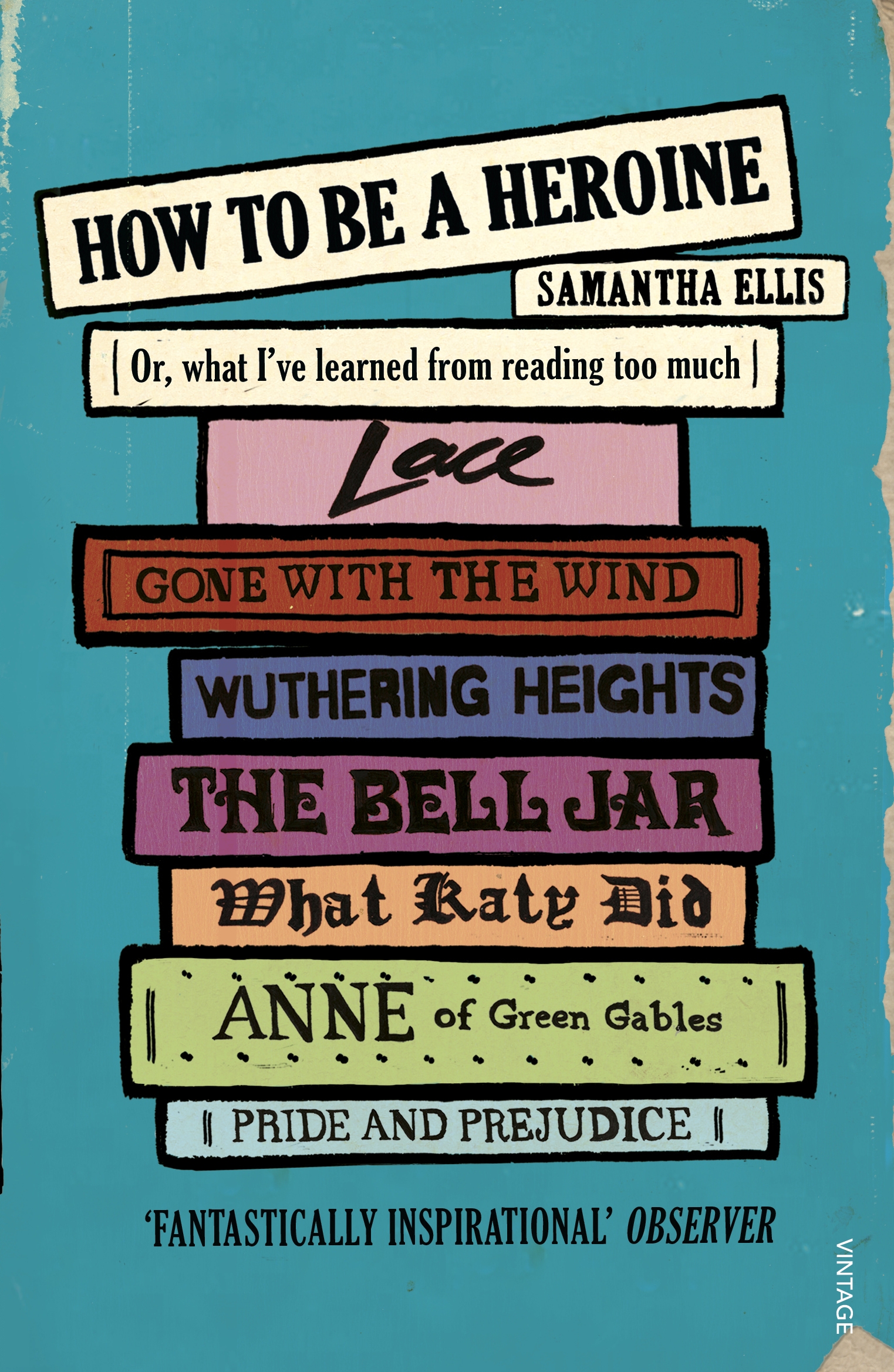
Karen ’s pick is How to be a Heroine: or, What I’ve Learned from Reading Too Much by Samantha Ellis


I stumbled upon this book at my local library and I am so glad I did.  Samantha Ellis is a British playwright from an Iraqi-Jewish family.  After a heated debate with her best friend about Cathy Earnshaw (Wuthering Heights) vs Jane Eyre as the perfect heroine, Samantha decides to revisit all of the literary heroines who have influenced her approach to life and love.  Her critical re-readings of these favourite books – including Anne of Green Gables, Gone with the Wind, The Bell Jar, even Shirley Conran’s Lace – results in mixed feelings including delight, awe, even anger and sadness.  How to be a Heroine is an original and unusual book that is part memoir, part bibliography and part literary analysis.  For me this is life instruction, reading list as well as a friend – what she has done seems exactly like what I should be doing, and I am looking forward to developing my own views about these books (as well as revisiting my own literary heroines).  Her attempts at finding her place within and beyond her tight-knit community really resonates with me as well.


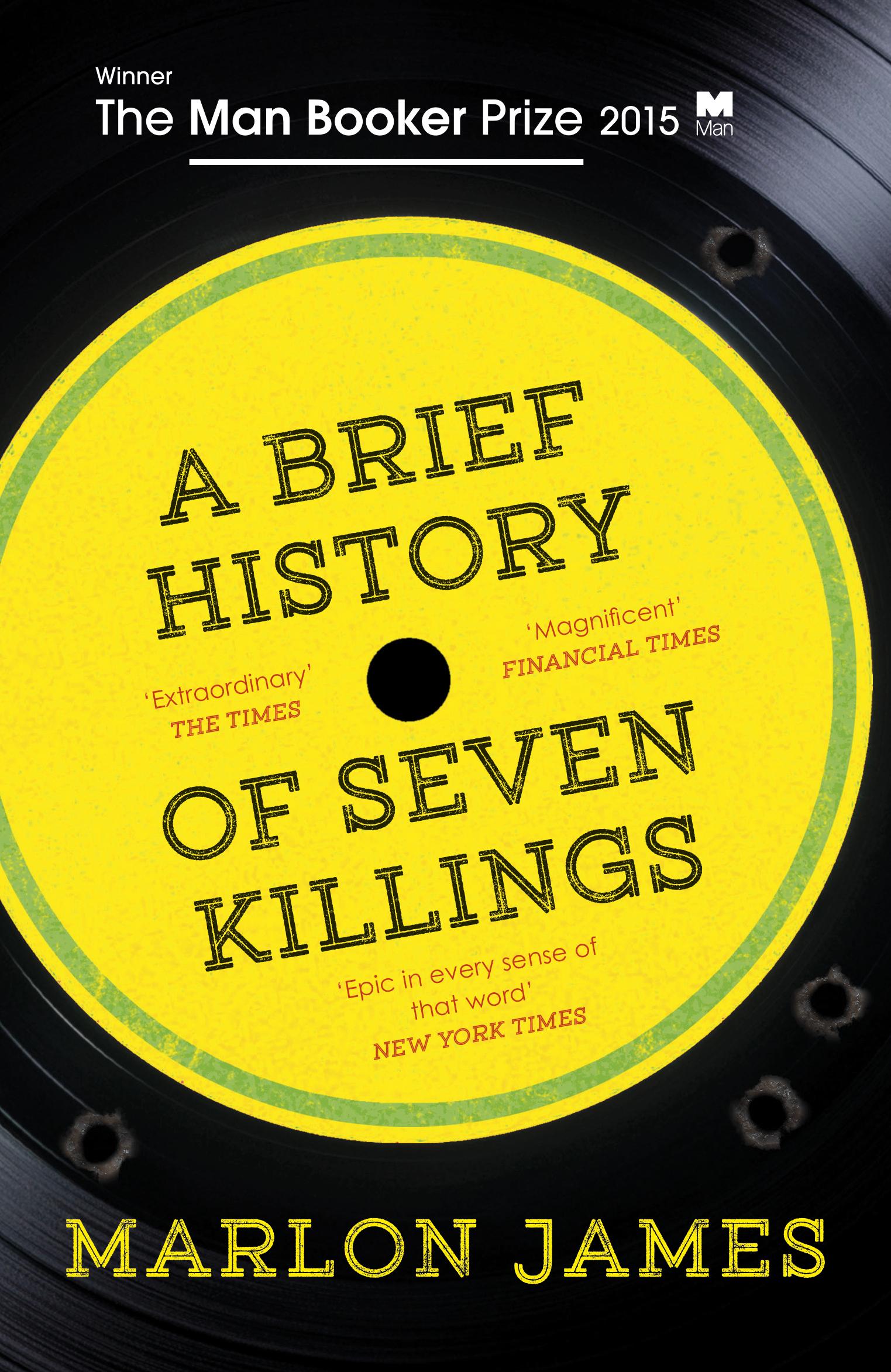
Renae’s pick is A Brief History of 7 Killings by Marlon James


The Brief History of Seven Killings is, to be perfectly honest, the only book that I have read this year. This is a slightly disappointing effort reading-wise but to be honest, by the time I get to bed, I am only able to read 2-3 pages before I’m asleep. Anyway, I digress –

I selected this book based solely on the fact that it won the Man Booker prize. I assumed that it must be good. And it is. Based on the attempted assassination of Bob Marley in the late 1970s, this book is a fictional account of that time. While the seven assumed assassins were never apprehended, this book is about James imagining their stories. Part of what makes this book great is that there are a range of different voices, namely witnesses and bystanders. The Brief History of Seven Killings is like taking a step back in time to this period, in all its raw and at times, very violent history.


Riina’s pick is Lost & Found by Brooke Davis

It was the very start of the year and I was heading on my first overseas trip by myself since having children. I had been so busy making sure everything was planned, organised and prepared for the family while I would be away, that I had neglected to pack myself a book (out of the big pile of unread or half-read books on my bedside table). So I browsed the airport bookshop for something light to enjoy on the 23-hour flight. I picked Lost & Found by Brooke Davis, seeing as it was a book I had seen popping up on the most clicked list on Booko.

To be honest I thought it would be a light read that I might or might not finish. Instead I found it to be un-put-downable and surprisingly thought-provoking. Being half a world away from my family, I found the distance paired with the themes introduced by Lost & Found allowed me to evaluate my life, love and future in a way I had never before. I came home with visions and goals for myself, our family and relationships in general.

It is debatable whether it was the trip itself or the book that changed me, but Lost & Found was definitely an integral part of changing me in 2015.


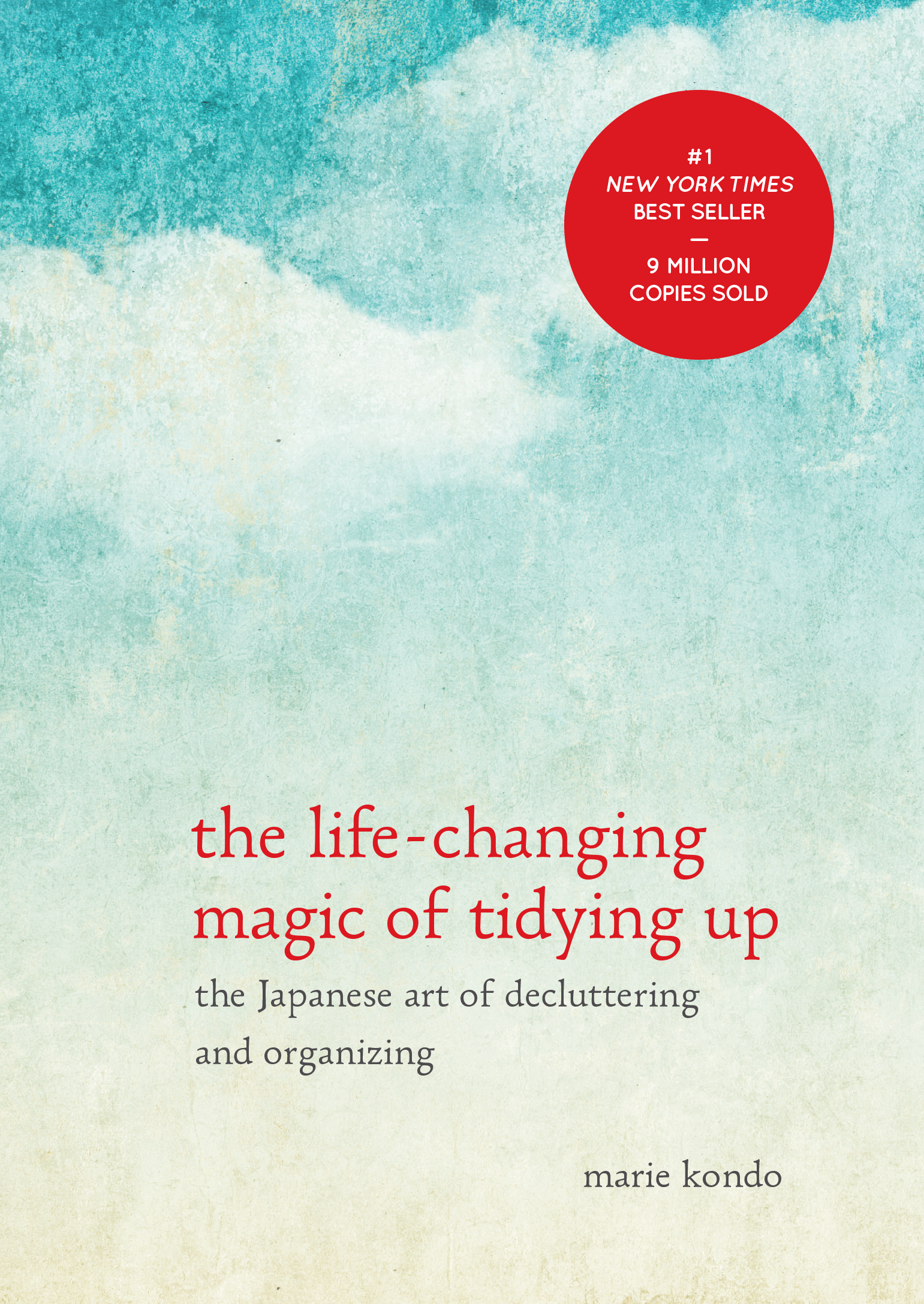
Marie’s Pick is The Life-Changing Magic of Tidying Up: The Japanese Art of Decluttering and Organizing by Marie Kondo.


I am a minimalist at heart and nothing excites me more than clean spaces with room to breathe. However, with two small children in my house there regularly seems to be a mounting collection of ‘treasures’ that I am almost positive we don’t need to keep. I found this book just as it was becoming a social media sensation and a regular ‘most clicked’ on booko.

I was hooked from page one, and when I gave it a go at home, I felt lighter, happier and the house was brighter…and we didn’t really even have much clutter to begin with! Nevertheless I ended up with 3 car loads of goodies for the charity store, copious bags filled for recycling and a few for the bin man.

This #1 New York Times best-selling guide to tidying your home is not only a game changer, it’s life changing! Japanese cleaning consultant Marie Kondo offers readers a step-by-step guide through the KonMari Method enabling an easy way to simplify, organise, and store. In a nutshell, if an item doesn’t spark joy in your home, it shouldn’t be there and that goes for clothes, trinkets, photos, make up and old copies of bills (but who would want them anyway).

Be warned – it’s not for the faint hearted, and once you start you will not want to stop. I still use Kondo’s tips daily. Oh and I recommend buying the e book – you’ll know why when you have finished it.


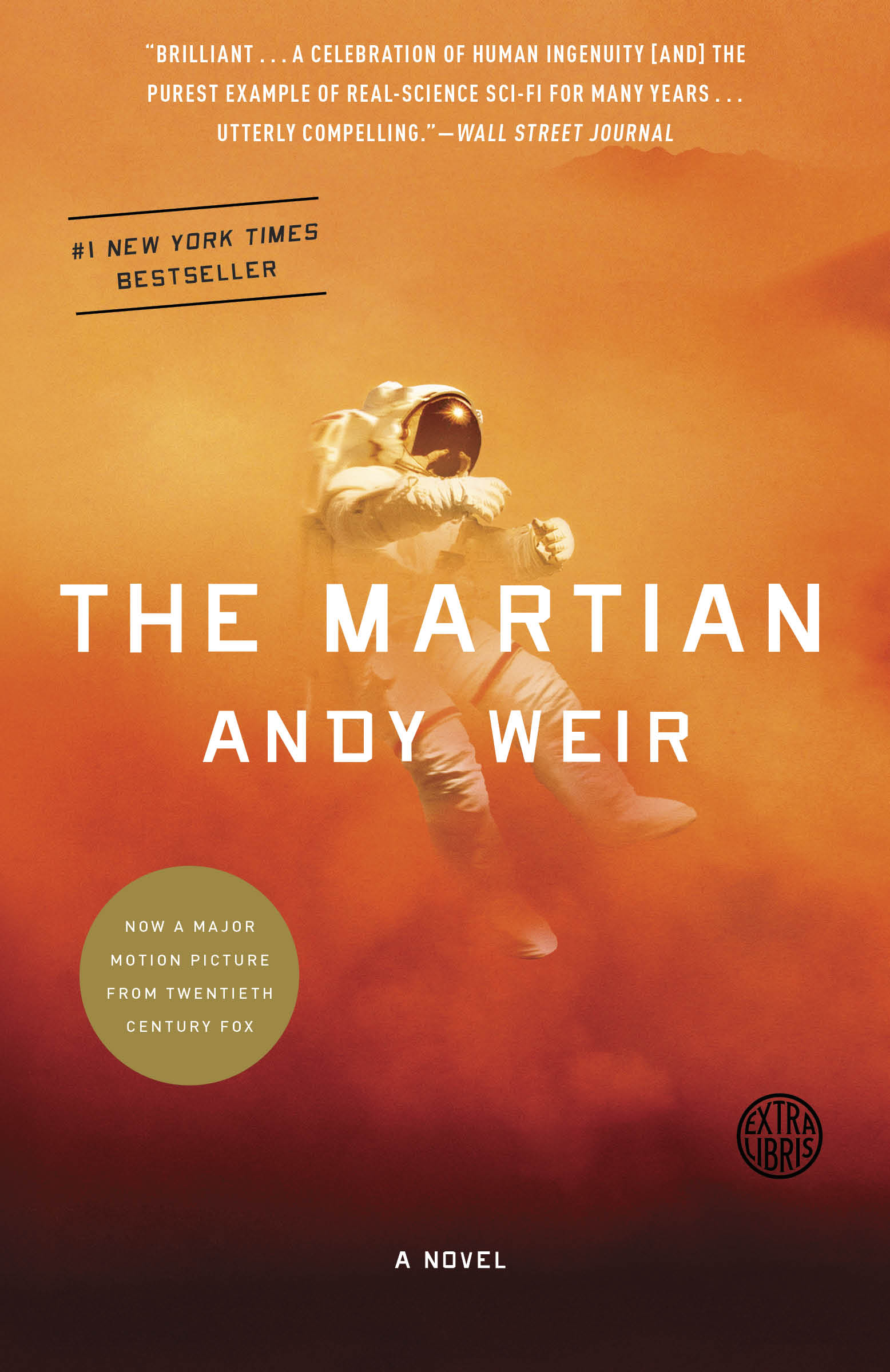
Dan’s pick is The Martian by Andy Weir

In writing this post, I’m confronted with the uncomfortable truth that I’ve only read two books this year:  Ready Player One which I enjoyed and The Martian which was excellent.   I was inspired to read The Martian by Randall Munroe’s comic.    The Martian is a great for plenty of reasons but its path from idea to publishing stands out for me.

The Martian began almost as a serial, published online for free, a chapter at a time and was altered and corrected based on audience feedback.   At the request of his readers, Andy made a Kindle version available and due to the way Amazon have set up publishing on the Kindle, he had to sell the book for the minimum price of $0.99.  Within a month, more people had bought the Kindle edition, than had downloaded the free version. This feedback loop of creation and improvement is analogous to how much of the worlds free software is written and I found it fascinating that this model could be used to help write a book.

Once the book hit the top #10 in a few categories, its rise was meteoric.  Random House approached Andy to publish the print version and in the same week as signing that deal, he’d signed the movie deal with Fox.   This interview with Adam Savage is well worth watching.


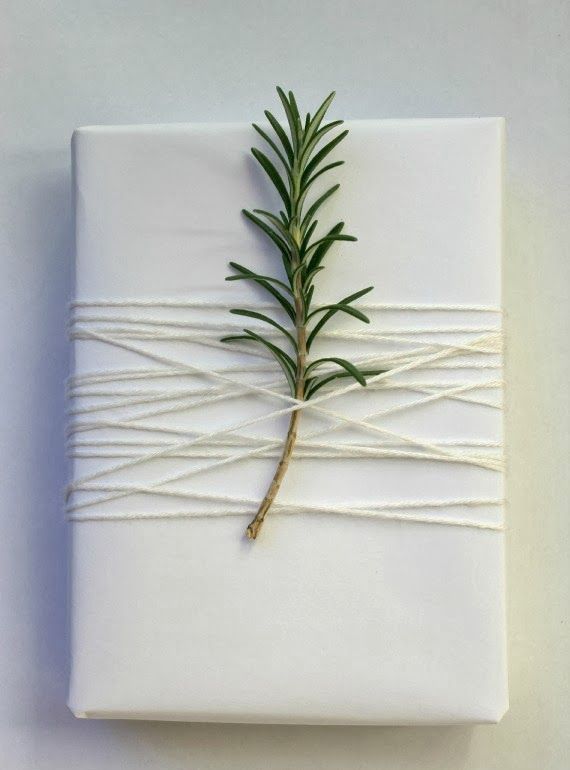
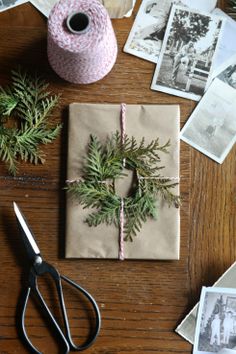
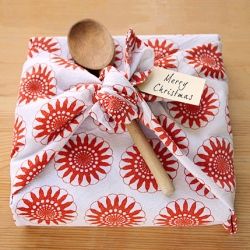
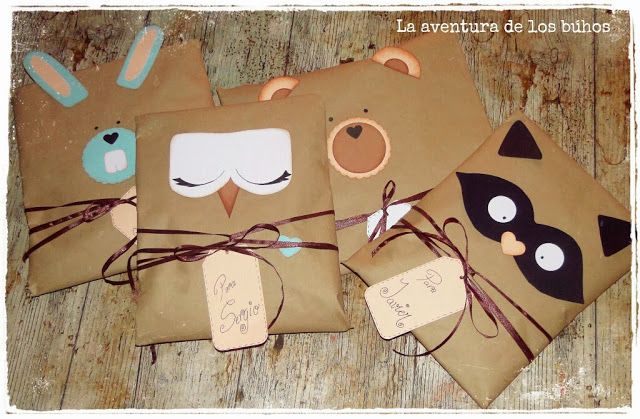
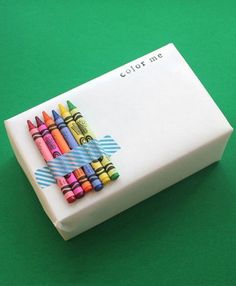
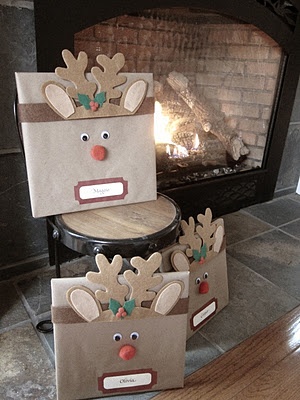
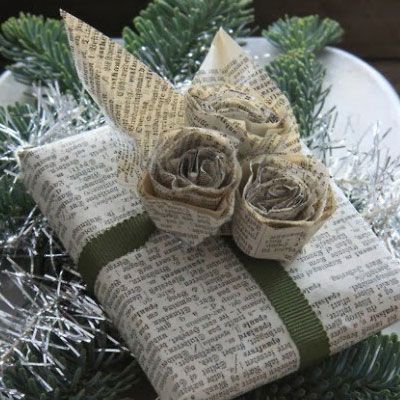
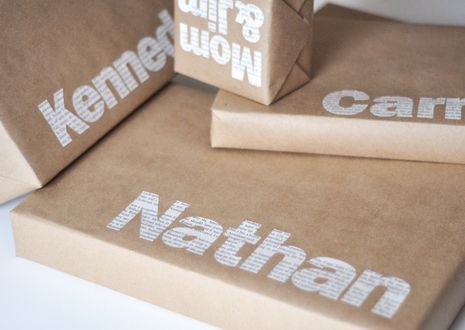
How to wrap books beautifully this year

Books are probably the easiest present to wrap, thanks to their wrapping friendly shape,  and to boot, they are a delightful present to receive.

Why not add a little flair to how you wrap yours this year.

We’ve scoured the magical land of Pinterest for ideas and are hoping to see a few of these beauties waiting for us under the tree this year.

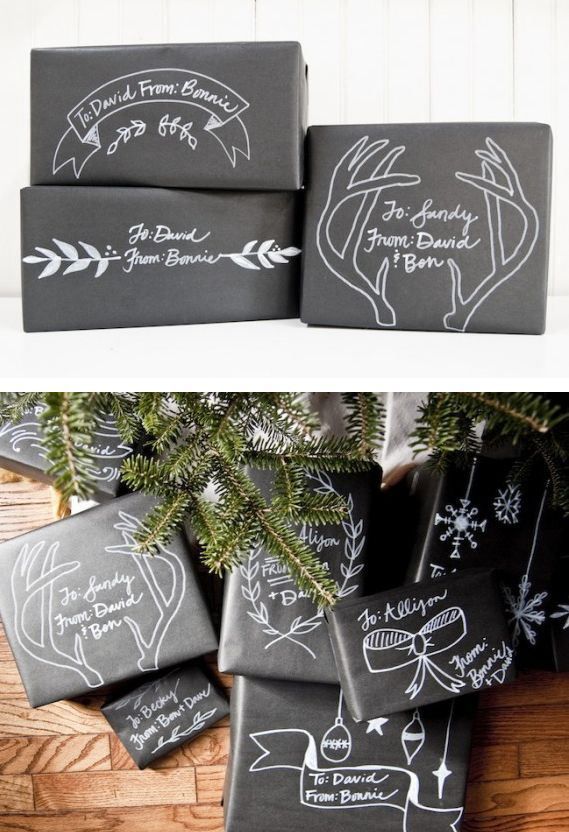
Classic Black and White

wrapping 10

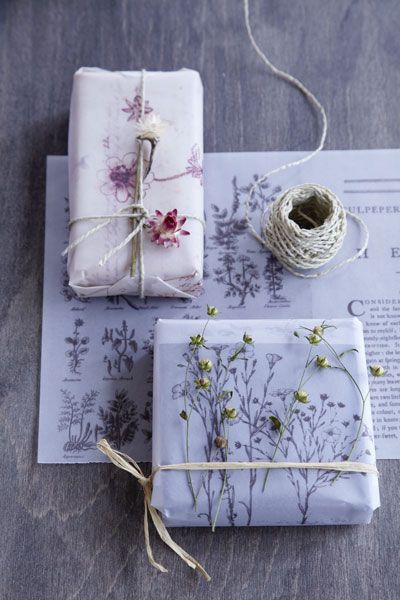
Add a little something from the garden

wrapping 1 wrapping 3 wrapping 14 wrapping 11

Wrapping to match the content

wrapping 6 wrapping 2

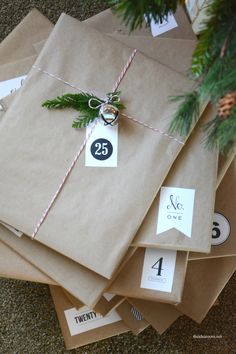
A little extra excitement for the children

wrapping 4 wrapping 5 wrapping 13

Newspaper art – if you have a little more creative flair (or time on your hands!).

wrapping 8 wrapping 9

We wish you a wonderful festive season and hope you, too, receive a book to escape with in these holidays.

From the Booko Team


Donating books this season to those less fortunate

At Booko, we’re hugely supportive of groups that inspire and promote reading. Big Fat Smile is a community group that has supported refugee families, women and children fleeing from domestic violence and families who have been affected by drug abuse. All of the children in these families didn’t have any, or enough, appropriate clothing and nothing of their own to play with or read. 

We asked Kelly from Big Fat Smile to share with our community how we could all help with donating books this festive season.

…………………………………………………………………………………………………

While you’re ordering books for the people in your life this holiday season, spare a thought for the children who won’t be getting a new book in their Christmas stocking.

At Big Fat Smile, we work to provide essential kits of age appropriate clothing for children in need. In each kit we also aim to include a toy and a book. We know that reading is so important for a child’s development and learning and too often disadvantaged children don’t get regular access to books as the family budget sometimes just doesn’t stretch that far.


We’d love your help to put a book in our donation packs for children in need. The children receiving the Big Fat Smile kits are aged between 0 – 6 years, here’s a few suggestions as to what would suit:


https-::covers.booko.info:300:grandpasgreatescape

https-::covers.booko.info:300:mydogbigsy

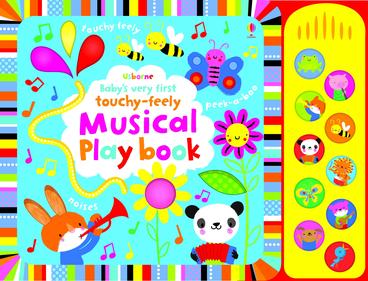
https-::covers.booko.info:300:musicalplaybook


We also love donations of second hand books that have remained in a great condition to be passed onto another family.

So, how about popping another children’s book onto your Booko shopping list and sending it our way this giving season.

You can post books to us @ Big Fat Smile, PO Box 190, Olinda VIC 3788

We hope that you get time to kick back and knock a few reads off your list over the holidays!